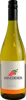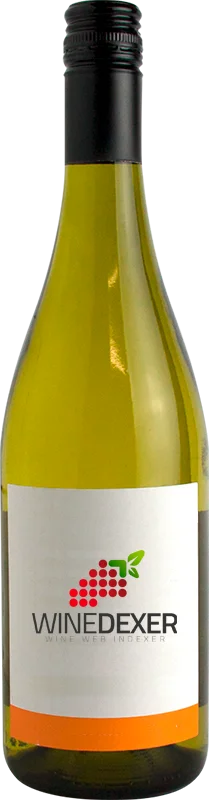
Winery Besame MuchoMuscat Blanc Demidulce
 White wine



This wine generally goes well with spicy food and sweet desserts.

Food and wine pairings with Muscat Blanc Demidulce
Pairings that work perfectly with Muscat Blanc Demidulce


Original food and wine pairings with Muscat Blanc Demidulce
The Muscat Blanc Demidulce of Winery Besame Mucho matches generally quite well with dishes of spicy food or sweet desserts such as recipes of shrimp marinade or chocolate fondant.
Details and technical informations about Winery Besame Mucho's Muscat Blanc Demidulce.
Discover the grape variety: Muscat cendré
Fine aromatic whites with a pale golden robe, a supple palate with preserved acidity, and signature muscat aromas of rose, fresh grape, white flowers and exotic fruits. Delicate profile. Almost extinct, preserved in INRAE varietal collections for its heritage value, part of the ancient Muscat family studied for its genetic and French ampelographic interest. Rare French white grape, a variation of Muscat with a paler skin.
Last vintages of this wine
The best vintages of Muscat Blanc Demidulce from Winery Besame Mucho are 2008, 0
Informations about the Winery Besame Mucho
The Winery Besame Mucho is one of of the world's greatest estates. It offers 4 wines for sale in the of Moldavie to come and discover on site or to buy online.

The wine region of Moldavie
Ancestral vineyard with identity grapes. Fetească Neagră, great Moldovan red reference: deep with notes of ripe plum, black cherry, spice and tobacco, melted tannins. Lighter, more floral Rară Neagră (Băbească). Dense tinctorial Saperavi.
The word of the wine: Tanin
A natural compound contained in the skin of the grape, the seed or the woody part of the bunch, the stalk. The maceration of red wines allows the extraction of tannins, which give the texture, the solidity and also the mellowness when the tannins are "ripe". The winemaker seeks above all to extract the tannins from the skin, the ripest and most noble. The tannins of the seed or stalk, which are "greener", especially in average years, give the wine hardness and astringency. The wines of Bordeaux (based on Cabernet and Merlot) are full of tannins, those of Burgundy much less so, with Pinot Noir containing little.