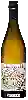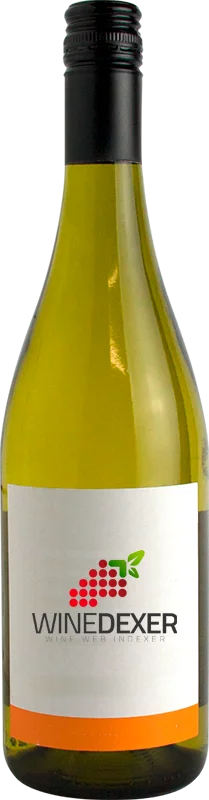
Winery Bernhard KochRieslaner Auslese Rosenkränzel
 White wine


In the mouth this white wine is a powerful with a nice freshness.
This wine generally goes well with pork, poultry or shellfish.

Taste structure of the Rieslaner Auslese Rosenkränzel from the Winery Bernhard Koch
Light | Bold | |
Dry | Sweet | |
Soft | Acidic |
In the mouth the Rieslaner Auslese Rosenkränzel of Winery Bernhard Koch in the region of Pfalz is a powerful with a nice freshness.
Wine flavors and olphactive analysis


On the nose the Rieslaner Auslese Rosenkränzel of Winery Bernhard Koch in the region of Pfalz often reveals types of flavors of tree fruit.
Food and wine pairings with Rieslaner Auslese Rosenkränzel
Pairings that work perfectly with Rieslaner Auslese Rosenkränzel



Original food and wine pairings with Rieslaner Auslese Rosenkränzel


The Rieslaner Auslese Rosenkränzel of Winery Bernhard Koch matches generally quite well with dishes of pork, shellfish or spicy food such as recipes of salted lentils, pageot or caramelized lamb mice.
Details and technical informations about Winery Bernhard Koch's Rieslaner Auslese Rosenkränzel.
Discover the grape variety: Klingelberger
Aromatic and mineral whites of great ageing potential, with a pale golden colour, a taut palate with vibrant acidity and signature aromas of citrus (lemon, grapefruit), green apple, flint, white flowers and petrol notes at maturity. Also as botrytised Spätlese, Auslese and Eiswein. Produces great whites in German Baden, a typical expression of Durbach and Schloss Staufenberg. Synonym of Riesling used in Germany (Baden, Durbach).
Last vintages of this wine
The best vintages of Rieslaner Auslese Rosenkränzel from Winery Bernhard Koch are 2015, 0
Informations about the Winery Bernhard Koch
The Winery Bernhard Koch is one of of the world's great estates. It offers 96 wines for sale in the of Pfalz to come and discover on site or to buy online.

The wine region of Pfalz
Fleshy, dry, fruity Riesling is the region's signature: yellow peach, apricot, ripe citrus, lovely mineral tension. Germany's largest red-wine area (40%), with silky Spätburgunder showing red fruit and spice, darker structured Dornfelder, supple Portugieser. Some rounded Pinot Blanc and Pinot Gris. A 23,640 ha vineyard along the Haardt, among Germany's warmest (>2,000 h of sun).
The word of the wine: Density per hectare
Number of vines per hectare. For the same yield, a vine planted with 3,000 vines per hectare bears many more bunches (per vine) than a vine planted with 10,000. The grapes will therefore be less rich in sugar and polyphenols (tannins, aromas...).