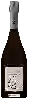
Winery Bernard LonclasRosé Brut Champagne
 Sparkling wine



In the mouth this sparkling wine is a powerful with a nice vivacity and a fine and pleasant bubble.
This wine generally goes well with pork, rich fish (salmon, tuna etc) or shellfish.

Taste structure of the Rosé Brut Champagne from the Winery Bernard Lonclas
Light | Bold | |
Soft | Acidic | |
Gentle | Fizzy |
In the mouth the Rosé Brut Champagne of Winery Bernard Lonclas in the region of Champagne is a powerful with a nice vivacity and a fine and pleasant bubble.
Food and wine pairings with Rosé Brut Champagne
Pairings that work perfectly with Rosé Brut Champagne



Original food and wine pairings with Rosé Brut Champagne

The Rosé Brut Champagne of Winery Bernard Lonclas matches generally quite well with dishes of pork, rich fish (salmon, tuna etc) or shellfish such as recipes of country cabbage, salmon pavés en papillote or scallops or scallops express with cognac.
Details and technical informations about Winery Bernard Lonclas's Rosé Brut Champagne.
Discover the grape variety: Khindogni
Structured, deeply coloured reds with a deep purple hue, firm tannins and a dense palate with fresh acidity; signature aromas of dark fruits (blackberry, blackcurrant), plum, spices, leather and Caucasian balsamic notes. Fine ageing potential. Grown in the Ararat Valley and Nagorno-Karabakh, producing characterful Armenian artisan cuvées. Native Armenian black grape, studied for its Caucasian genetic interest.
Informations about the Winery Bernard Lonclas
The Winery Bernard Lonclas is one of of the world's greatest estates. It offers 12 wines for sale in the of Champagne to come and discover on site or to buy online.

The wine region of Champagne
World benchmark sparkling wines: fine bubbles, citrusy tension, notes of brioche, toasted almond, white flowers and white-fleshed fruits after ageing on lees. Three grapes blended or solo: fleshy Pinot Noir (38%), fruity Meunier (33%), chiselled Chardonnay (28%). From straight Blanc de Blancs to vinous Blanc de Noirs, from non-vintage Brut to age-worthy Millésimé. AOC since 1927, 34,300 ha on chalk, 17 Grands Crus and 44 Premiers Crus.
The word of the wine: Hard
A harsh, biting wine, characterized by an excess of tannins and acidity. It is often said of young wines that lack smoothness.