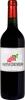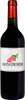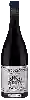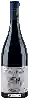
Winery Bernard CarronBourgogne Grand Ordinaire
 wine
wine



This wine generally goes well with poultry, beef or veal.

Food and wine pairings with Bourgogne Grand Ordinaire
Pairings that work perfectly with Bourgogne Grand Ordinaire



Original food and wine pairings with Bourgogne Grand Ordinaire

The Bourgogne Grand Ordinaire of Winery Bernard Carron matches generally quite well with dishes of beef, veal or game (deer, venison) such as recipes of braciola (southern italy), escargots à la bordelaise or duck fillets with honey.
Details and technical informations about Winery Bernard Carron's Bourgogne Grand Ordinaire.
Discover the grape variety: Cardinal
Primarily a table grape, occasionally vinified as light, fruity reds with a clear ruby colour, soft tannins and a supple palate, showing simple aromas of red fruits (strawberry, cherry), candy and sweet notes. Grown in California, Spain, Italy and the Maghreb for fresh consumption: long bunches, red-violet berries with thin skin and crisp flesh. American hybrid created in 1939 in California (Flame Tokay × Ribier).
Last vintages of this wine
The best vintages of Bourgogne Grand Ordinaire from Winery Bernard Carron are 2015
Informations about the Winery Bernard Carron
The Winery Bernard Carron is one of of the world's greatest estates. It offers 3 wines for sale in the of Burgundy to come and discover on site or to buy online.

The wine region of Burgundy
Absolute reference for great terroir wines: opulent, mineral Chardonnay in whites (chiselled Chablis, buttery Meursault, majestic Montrachet), fine and silky Pinot Noir in reds (full-bodied Gevrey, structured Pommard, delicate Volnay). Exceptional age-worthy wines with complex notes - red fruits, undergrowth, butter, hazelnut. Some lively Aligoté and light Gamay (Mâconnais). 29,500 ha, 84 tiered AOCs (Régionale, Village, 1er Cru, Grand Cru), 1,247 UNESCO Climats.
The word of the wine: Maderised
Term used to designate oxidized wines in reference to Madeira wines.