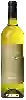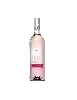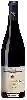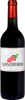
Winery BerlouCuvée de l'An Saint-Chinian
 Red wine
This wine generally goes well with beef, veal or pasta.
Food and wine pairings with Cuvée de l'An Saint-Chinian
Pairings that work perfectly with Cuvée de l'An Saint-Chinian



Original food and wine pairings with Cuvée de l'An Saint-Chinian
The Cuvée de l'An Saint-Chinian of Winery Berlou matches generally quite well with dishes of beef, pasta or veal such as recipes of roast beef with pepper, spaghetti neapolitan style or roast veal with black olives.
Details and technical informations about Winery Berlou's Cuvée de l'An Saint-Chinian.
Discover the grape variety: Camaralet
The white Camaralet is a grape variety that originated in France (Pyrénées-Atlantiques). It produces a variety of grape specially used for wine making. It is rare to find this grape to eat on our tables. The white Camaralet can be found cultivated in these vineyards: South-West, Languedoc & Roussillon, Cognac, Bordeaux, Provence & Corsica, Rhone Valley.
Informations about the Winery Berlou
The Winery Berlou is one of of the world's great estates. It offers 44 wines for sale in the of Saint-Chinian to come and discover on site or to buy online.

The wine region of Saint-Chinian
Saint-Chinian is an appellation in the Languedoc-roussillon">Languedoc-Roussillon wine region of southern France. It is located between Minervois and Faugeres, which produce similar styles of robust red wine from similar grapes and in a similar landscape. It is also adjacent to the Muscat de Saint-Jean-de-Minervois appellation, which produces Sweet white wines. Therefore, the diversity of the Languedoc region is well demonstrated in this small area.
The wine region of Languedoc-Roussillon
Languedoc (formerly Coteaux du Languedoc) is a key appellation used in the Languedoc-Roussillon wine region of southern France. It covers Dry table wines of all three colors (red, white and rosé) from the entire region, but leaves Sweet and Sparkling wines to other more specialized appellations. About 75% of all Languedoc wines are red, with the remaining 25% split roughly down the middle between whites and rosés. The appellation covers most of the Languedoc region and almost a third of all the vineyards in France.
The word of the wine: Disgorging (champagne)
This is the evacuation of the deposit formed by the yeasts during the second fermentation in the bottle, by opening the bottle. The missing volume is completed with the liqueur de dosage - a mixture of wine and cane sugar - before the final cork is placed. For some years now, some producers have been replacing this sugar with rectified concentrated musts (concentrated grape juice) which give excellent results. A too recent dosage (less than three months) harms the gustatory harmony of the champagne.