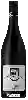
Winery Bergdolt-Reif & NettTradition Dornfelder Trocken
 Red wine
In the mouth this red wine is a .
This wine generally goes well with pork, poultry or veal.

Taste structure of the Tradition Dornfelder Trocken from the Winery Bergdolt-Reif & Nett
Light | Bold | |
Smooth | Tannic | |
Dry | Sweet | |
Soft | Acidic |
In the mouth the Tradition Dornfelder Trocken of Winery Bergdolt-Reif & Nett in the region of Pfalz is a .
Food and wine pairings with Tradition Dornfelder Trocken
Pairings that work perfectly with Tradition Dornfelder Trocken



Original food and wine pairings with Tradition Dornfelder Trocken

The Tradition Dornfelder Trocken of Winery Bergdolt-Reif & Nett matches generally quite well with dishes of pasta, veal or pork such as recipes of chicken lasagna, calf's head with sauce ravigote or english breakfast.
Details and technical informations about Winery Bergdolt-Reif & Nett's Tradition Dornfelder Trocken.
Discover the grape variety: Dornfelder
Intensely coloured, fruity reds with a dense purple robe, soft tannins and a generous palate, with aromas of black cherry, blackberry, plum and floral notes. Made as light easy-drinking reds, popular semi-dry cuvées and more structured barrel-aged versions. The second most planted red variety in Germany (Palatinate, Rheinhessen, Württemberg). Cross of helfensteiner × heroldrebe created in 1955 in Weinsberg by August Herold.
Informations about the Winery Bergdolt-Reif & Nett
The Winery Bergdolt-Reif & Nett is one of of the world's great estates. It offers 95 wines for sale in the of Pfalz to come and discover on site or to buy online.

The wine region of Pfalz
Fleshy, dry, fruity Riesling is the region's signature: yellow peach, apricot, ripe citrus, lovely mineral tension. Germany's largest red-wine area (40%), with silky Spätburgunder showing red fruit and spice, darker structured Dornfelder, supple Portugieser. Some rounded Pinot Blanc and Pinot Gris. A 23,640 ha vineyard along the Haardt, among Germany's warmest (>2,000 h of sun).
The word of the wine: Thermoregulation
Control of the vinification temperatures (by circulating hot or cold water on the walls of the vats, for example). This is a major step forward, which in particular helps to preserve the freshness of the aromas threatened by excessive temperature rises during fermentation.