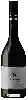
Winery Benko BorhazTokaj Hárslevelu Száraz
 Red wine
This wine generally goes well with beef, lamb or mature and hard cheese.

Food and wine pairings with Tokaj Hárslevelu Száraz
Pairings that work perfectly with Tokaj Hárslevelu Száraz



Original food and wine pairings with Tokaj Hárslevelu Száraz

The Tokaj Hárslevelu Száraz of Winery Benko Borhaz matches generally quite well with dishes of beef, lamb or spicy food such as recipes of beef mironton, lamb kleftiko (greek) or carrot soup with curry and coconut milk.
Details and technical informations about Winery Benko Borhaz's Tokaj Hárslevelu Száraz.
Discover the grape variety: Huxelrebe
Aromatic, muscaty whites with a golden robe, ample body, moderate acidity and signature notes of muscat, elderflower, exotic fruits and honey. Star of Spätlese, Auslese and botrytised Trockenbeerenauslese. Grown in Rhineland, England and Czechia for sweet and luscious whites; achieves noble rot reliably. White grape bred in 1927 by Georg Scheu in Alzey (chasselas × courtillier musqué).
Informations about the Winery Benko Borhaz
The Winery Benko Borhaz is one of of the world's great estates. It offers 19 wines for sale in the of Tokaj to come and discover on site or to buy online.

The wine region of Tokaj
Cradle of the legendary Tokaji Aszú, "king of wines" per Louis XIV. Noble sweet wines based on Furmint (lively acidity prone to botrytis) and floral Hárslevelű ("linden leaf"): amber robe, signature aromas of honey, candied apricot, quince, orange peel, saffron, sustained sugar balanced by tense acidity. Measured in "puttonyos" (3 to 6) with Aszú Eszencia at the top. Also dry Furmint on the rise, straight and mineral.
The word of the wine: Size
Cutting of shoots to regulate and balance the growth of the vine in order to control productivity.