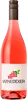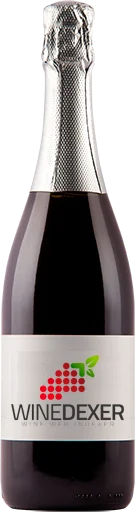
Winery Benjamin BridgePet Nat
 Sparkling wine


This wine generally goes well with
The Pet Nat of the Winery Benjamin Bridge is in the top 20 of wines of Nova Scotia.
Wine flavors and olphactive analysis




On the nose the Pet Nat of Winery Benjamin Bridge in the region of Nova Scotia often reveals types of flavors of earth, microbio or tree fruit and sometimes also flavors of spices, citrus fruit or floral.
Details and technical informations about Winery Benjamin Bridge's Pet Nat.
Discover the grape variety: Franc de Haute-Saône
Franc noir de Haute-Saône noir is a grape variety that originated in France (Haute-Saône). It produces a variety of grape specially used for wine making. It is rare to find this grape to eat on our tables. This variety of grape is characterized by small bunches and small grapes. The Franc noir de Haute-Saône black can be found cultivated in these vineyards: South-West, Cognac, Bordeaux, Provence & Corsica, Rhone valley.
Last vintages of this wine
The best vintages of Pet Nat from Winery Benjamin Bridge are 2018, 2019, 0
Informations about the Winery Benjamin Bridge
The Winery Benjamin Bridge is one of of the world's greatest estates. It offers 19 wines for sale in the of Nova Scotia to come and discover on site or to buy online.

The wine region of Nova Scotia
Nova Scotia is one of Canada’s maritime provinces, located halfway between the equator and the North Pole. While the region is not as famous for its wines as Ontario and British Columbia, there is a flourishing wine industry based largely on Sparkling wines and crisp white wines made from Grape varieties such as Vidal, Seyval Blanc, and the province's signature L'Arcadie Blanc variety. Nova Scotia is surrounded by three bodies of water, with the Atlantic Ocean to the South, the Bay of Fundy in the northwest and the Gulf of St Lawrence in the north. If it were an island it would be around the same area as Tasmania and almost the same relative latitude.
The word of the wine: Primeur (purchase in)
Purchase made shortly after the harvest and before the wine is ready for consumption.