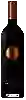
Winery BenessereEstate St. Helena Vineyard Moscato di Canelli
 White wine
This wine generally goes well with sweet desserts
Food and wine pairings with Estate St. Helena Vineyard Moscato di Canelli
Pairings that work perfectly with Estate St. Helena Vineyard Moscato di Canelli

Original food and wine pairings with Estate St. Helena Vineyard Moscato di Canelli
The Estate St. Helena Vineyard Moscato di Canelli of Winery Benessere matches generally quite well with dishes of sweet desserts such as recipes of brownies with nuts.
Details and technical informations about Winery Benessere's Estate St. Helena Vineyard Moscato di Canelli.
Discover the grape variety: Rubilande
Rubilande rosé is a grape variety that originated in . This grape variety is the result of a cross between the same species (interspecific hybridization). It produces a variety of grape specially used for wine making. It is rare to find this grape to eat on our tables. Rubilande rosé can be found in the following vineyards: Rhône Valley, Loire Valley, Savoie & Bugey, Beaujolais, Languedoc & Roussillon.
Informations about the Winery Benessere
The Winery Benessere is one of of the world's great estates. It offers 23 wines for sale in the of Napa Valley to come and discover on site or to buy online.

The wine region of Napa Valley
The wine region of Napa Valley is located in the region of Napa County of California of United States. We currently count 2527 estates and châteaux in the of Napa Valley, producing 7716 different wines in conventional, organic and biodynamic agriculture. The wines of Napa Valley go well with generally quite well with dishes .
The wine region of California
California is the largest and most important wine region in the United States. It represents the southern two-thirds (850 miles or 1,370 kilometers) of the country's west coast. (Oregon and Washington make up the rest. ) The state also spans nearly 10 degrees of latitude.
The word of the wine: Drawing (liqueur de)
In champagne and sparkling wines of traditional method, addition to the wine, at the time of bottling (tirage) of sugars and yeasts dissolved in wine. These components will provoke the second fermentation in the bottle leading to the formation of carbon dioxide bubbles.