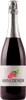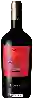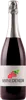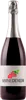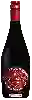
Winery BellettiSparkling Moscato Rosé Sweet
 Sparkling wine



This wine generally goes well with sweet desserts

Wine flavors and olphactive analysis


On the nose the Sparkling Moscato Rosé Sweet of Winery Belletti in the region of Veneto often reveals types of flavors of citrus fruit, red fruit.
Food and wine pairings with Sparkling Moscato Rosé Sweet
Pairings that work perfectly with Sparkling Moscato Rosé Sweet

Original food and wine pairings with Sparkling Moscato Rosé Sweet
The Sparkling Moscato Rosé Sweet of Winery Belletti matches generally quite well with dishes of sweet desserts such as recipes of grandma's cherry clafoutis.
Details and technical informations about Winery Belletti's Sparkling Moscato Rosé Sweet.
Discover the grape variety: Perricone
Structured, intensely colored reds with a deep dark ruby robe, firm tannins and a dense palate, with signature aromas of black fruits (blackberry, blackcurrant), black cherry, spices, Mediterranean garrigue and balsamic notes. Sunny Sicilian profile with fine ageing potential. Traditional component of Sicilian blends and star of Eloro DOC, embodying the viticultural heritage of western Sicily. Indigenous black variety from Palermo.
Last vintages of this wine
The best vintages of Sparkling Moscato Rosé Sweet from Winery Belletti are 2019, 0
Informations about the Winery Belletti
The Winery Belletti is one of of the world's greatest estates. It offers 6 wines for sale in the of Veneto to come and discover on site or to buy online.

The wine region of Veneto
World star of Prosecco: fresh, light Glera sparklers with notes of pear, green apple and white flowers, fruity, convivial bubbles. Veronese reds from Corvina and Rondinella: light, crisp Bardolino, fruity Valpolicella, opulent, concentrated Amarone DOCG (black cherry, chocolate, raisin) from dried grapes. Mineral, almondy Soave (Garganega) whites, fresh Pinot Grigio. 97,500 ha, Italy's largest production.
The word of the wine: Sweet
Generic term for wines containing residual sugar (natural sugars in the grapes that have not been transformed into alcohol). It is also used to describe a wine with a dominantly sweet flavour, without further explanation.