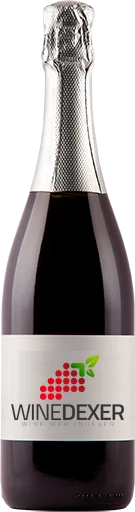
Winery Judith BeckPet-Nat Bambule! B
 Sparkling wine



This wine generally goes well with pork, rich fish (salmon, tuna etc) or mature and hard cheese.

Food and wine pairings with Pet-Nat Bambule! B
Pairings that work perfectly with Pet-Nat Bambule! B



Original food and wine pairings with Pet-Nat Bambule! B
The Pet-Nat Bambule! B of Winery Judith Beck matches generally quite well with dishes of pork, rich fish (salmon, tuna etc) or mature and hard cheese such as recipes of home-made coq au vin, smoked salmon burger - chive cream or savoyard crust or cheese crust.
Details and technical informations about Winery Judith Beck's Pet-Nat Bambule! B.
Discover the grape variety: Dornfelder
Intensely coloured, fruity reds with a dense purple robe, soft tannins and a generous palate, with aromas of black cherry, blackberry, plum and floral notes. Made as light easy-drinking reds, popular semi-dry cuvées and more structured barrel-aged versions. The second most planted red variety in Germany (Palatinate, Rheinhessen, Württemberg). Cross of helfensteiner × heroldrebe created in 1955 in Weinsberg by August Herold.
Last vintages of this wine
The best vintages of Pet-Nat Bambule! B from Winery Judith Beck are 0
Informations about the Winery Judith Beck
The Winery Judith Beck is one of of the world's great estates. It offers 39 wines for sale in the of Burgenland to come and discover on site or to buy online.

The wine region of Burgenland
Cradle of great Austrian reds. Signature Blaufränkisch: structured, spicy reds with black fruits (blackberry, black cherry), firm tannins and lively acidity, mineral profile. More supple Zweigelt on red fruit. Lively Welschriesling, peppery Grüner Veltliner, round Chardonnay whites.
The wine region of Weinland
Vast German-speaking region in north-eastern Switzerland, the country's largest production area. Signature Pinot Noir (Blauburgunder): fine, fresh reds with notes of cherry, raspberry, undergrowth and sweet spices, silky tannins. Elegant, delicate style, often barrel-aged. Also light, floral Müller-Thurgau (Riesling-Sylvaner), lively, lemony native Räuschling, ample Pinot Gris.
The word of the wine: Second fermentation
In the making of champagne, fermentation of the base wine to which is added the liqueur de tirage and which takes place in the bottle. This second fermentation produces the carbon dioxide, and therefore the bubbles that make up the effervescence of the wine.