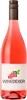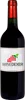
Winery BaywoodFruity Red
 Red wine



This wine generally goes well with
Details and technical informations about Winery Baywood's Fruity Red.
Discover the grape variety: Gold
Intraspecific crossing between A 3-94 (Hamburg Muscat x Sultana) and California K 3-78 (Hamburg Muscat x Queen of the Vines) obtained in the United States (California) in 1958 by Harold Paul Olmo (1909/2006). It can also be found in Greece, Cyprus, etc.
Last vintages of this wine
The best vintages of Fruity Red from Winery Baywood are 0
Informations about the Winery Baywood
The Winery Baywood is one of of the world's greatest estates. It offers 6 wines for sale in the of England to come and discover on site or to buy online.

The wine region of England
England, although more famous for gin and beer, has been producing wine since Roman Imperial times (100 – 400 AD). Historically the country has not been known for the quality of its winemaking, inhibited by its northerly latitude and resulting cool Climate. However the last decade or so has seen considerable progress and expansion, and increases in planting of noble Grape varieties. Significant chaptilzation to off-set the high Acidity of under-ripe grapes was once common practice but since the 1970s and particularly since the turn of the millennium natural sugar levels have increased in the Vineyard and wines have increased in quality and reputation.
The word of the wine: Reduced
This is said of aromas that are reminiscent of a stale wine and that can be released when a long-closed bottle is opened. They generally fade with airing.