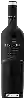
Winery BartoraReserva Tannat Roble
 wine
wine
This wine generally goes well with
The Reserva Tannat Roble of the Winery Bartora is in the top 0 of wines of Las Violetas.
Details and technical informations about Winery Bartora's Reserva Tannat Roble.
Discover the grape variety: Morrastel-Bouschet
Obtained in 1885 by Henri Bouschet by crossing the morrastel and the petit Bouschet. Today, it is no longer multiplied and is therefore in danger of extinction.
Informations about the Winery Bartora
The Winery Bartora is one of of the world's greatest estates. It offers 1 wines for sale in the of Las Violetas to come and discover on site or to buy online.

The wine region of Las Violetas
The wine region of Las Violetas is located in the region of Canelones of Uruguay. Wineries and vineyards like the Domaine Bouza or the Domaine Bouza produce mainly wines red, white and pink. The most planted grape varieties in the region of Las Violetas are Tannat, Cabernet-Sauvignon and Merlot, they are then used in wines in blends or as a single variety. On the nose of Las Violetas often reveals types of flavors of oak, microbio or tree fruit and sometimes also flavors of citrus fruit, tropical fruit or non oak.
The wine region of Canelones
The Canelones administrative department, Northeast of the Uruguayan capital of Montevideo, is home to the majority of Uruguay's Vineyards and accounts for aRound 60 percent of all wine produced in the country. It Lies in the South of the small South American country, where the majority of vines are planted, inland from the Atlantic coast and the Rio de la Plata estuary. The region itself covers a broad arc approximately 50km (30 miles) Deep, drawn clockwise from the northwestern outskirts of Montevideo round to the coastline east of the capital city. The eponymous administrative capital of the region lies 50km (31 miles) to the north of Montevideo.
The word of the wine: Shipping (liquor)
In champagne and wines made according to the traditional method, wine is added before corking to fill the void in the bottle created by disgorging. This added wine is often sweetened by sugar incorporated in variable proportions according to the style of wine sought (see dosage). Syn.: liqueur de dosage.