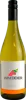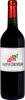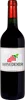
Winery Baron de BelmotteBordeaux
 Red wine
In the mouth this red wine is a powerful with a nice balance between acidity and tannins.
This wine generally goes well with poultry, beef or veal.
Taste structure of the Bordeaux from the Winery Baron de Belmotte
Light | Bold | |
Smooth | Tannic | |
Dry | Sweet | |
Soft | Acidic |
In the mouth the Bordeaux of Winery Baron de Belmotte in the region of Bordeaux is a powerful with a nice balance between acidity and tannins.
Food and wine pairings with Bordeaux
Pairings that work perfectly with Bordeaux



Original food and wine pairings with Bordeaux

The Bordeaux of Winery Baron de Belmotte matches generally quite well with dishes of beef, veal or game (deer, venison) such as recipes of beef marengo "my mom" style, cutlets with portuguese sauce or duck legs with confit potatoes.
Details and technical informations about Winery Baron de Belmotte's Bordeaux.
Discover the grape variety: Melnik
It is most certainly one of the oldest vitis vinifera varieties found mainly in the southwestern part of Bulgaria, and is not known elsewhere - except perhaps in neighbouring Greece and Macedonia - than in this country where it is recognized as endemic. It should not be confused with Ranna Melnishka Loza, also known as Melnik 55, which is the result of crosses between this Melnik and several known Vitis viniferas, including Valdiguié.
Informations about the Winery Baron de Belmotte
The Winery Baron de Belmotte is one of of the world's greatest estates. It offers 11 wines for sale in the of Bordeaux to come and discover on site or to buy online.

The wine region of Bordeaux
Bordeaux, in southwestern France, is one of the most famous, prestigious and prolific wine regions in the world. The majority of Bordeaux wines (nearly 90% of the production Volume) are the Dry, medium and Full-bodied red Bordeaux blends for which it is famous. The finest (and most expensive) are the wines of the great châteaux of Haut-Médoc and the right bank appellations of Saint-Émilion and Pomerol. The former focuses (at the highest level) on Cabernet Sauvignon, the latter on Merlot.
The word of the wine: Flavours
There are generally four so-called fundamental flavours: acidity, bitterness, sweetness and saltiness. The first three are considered to be the building blocks of the structure of wines. They are perceived by the taste buds that cover the surface of the tongue.