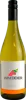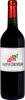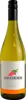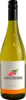
Winery Baron de BelmotteCoteaux des Baronnies
 Red wine
This wine generally goes well with
Details and technical informations about Winery Baron de Belmotte's Coteaux des Baronnies.
Discover the grape variety: Chancellor
Cross between 5163 Seibel (2 Gaillard x 2510 Seibel) and 880 Seibel (28112 Couderc x 2003 Seibel) obtained by Albert Seibel (1844-1936). It was the first direct-producing hybrid cultivated in France and has now practically disappeared. It can still be found in a few old vines in the form of isolated strains. It can be found in the United States (New York, etc.) and in Canada, where it is part of the grape varieties grown on a large number of vineyards.
Informations about the Winery Baron de Belmotte
The Winery Baron de Belmotte is one of of the world's greatest estates. It offers 11 wines for sale in the of Coteaux des Baronnies to come and discover on site or to buy online.

The wine region of Coteaux des Baronnies
The wine region of Coteaux des Baronnies is located in the region of Méditerranée of Vin de Pays of France. Wineries and vineyards like the Domaine Le Mas Sylvia or the Domaine Cellier des Dauphins produce mainly wines red, white and pink. The most planted grape varieties in the region of Coteaux des Baronnies are Merlot, Cabernet-Sauvignon and Chardonnay, they are then used in wines in blends or as a single variety. On the nose of Coteaux des Baronnies often reveals types of flavors of pepper, microbio or spices.
The wine region of Méditerranée
Méditérranée is a PGI title that covers wines produced in a large area of the South-eastern coast of France, roughly corresponding to the wine region of Provence but also including Part of the Rhône Valley. The PGI shares its territory with multiple AOC appellations as varied as Châteauneuf-du-Pape, Bandol and Côtes de Provence. The PGI Méditérranée catchment area extends over 10 departments (including the two on the island of Corsica), as well as smaller parts of the Isère, Loire and Rhône departments. Viticulture is essential to the culture and economy of this part of France.
The word of the wine: Grey (wine)
Wine obtained by vinifying white grapes with coloured skin (black or grey), by direct pressing, without maceration. It is a rosé with very little colour.