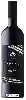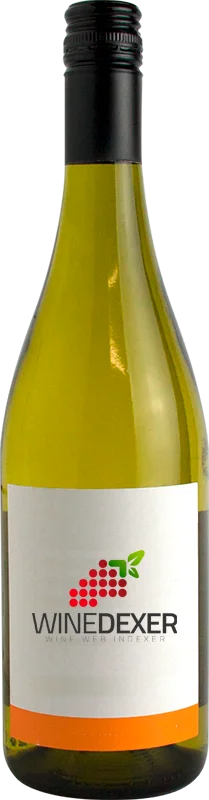
Winery BagliesiNoé Bianco
 White wine


In the mouth this white wine is a powerful.
This wine generally goes well with vegetarian, appetizers and snacks or shellfish.

Taste structure of the Noé Bianco from the Winery Bagliesi
Light | Bold | |
Dry | Sweet | |
Soft | Acidic |
In the mouth the Noé Bianco of Winery Bagliesi in the region of Sicily is a powerful.
Food and wine pairings with Noé Bianco
Pairings that work perfectly with Noé Bianco



Original food and wine pairings with Noé Bianco
The Noé Bianco of Winery Bagliesi matches generally quite well with dishes of shellfish, vegetarian or appetizers and snacks such as recipes of indian chicken (simplified korma), summer tuna quiche or gougèress.
Details and technical informations about Winery Bagliesi's Noé Bianco.
Discover the grape variety: Torbato
Lively, structured whites with good ageing potential, with a pale golden robe, a taut palate with preserved acidity, and signature aromas of citrus (lemon, grapefruit), yellow fruits (peach), white flowers and saline mineral notes. Taut insular profile. Star of the Alghero Torbato DOC appellation, producing great whites from the west coast of Sardinia with fine ageing potential. Native white grape of Sardinia, grown around Alghero.
Last vintages of this wine
The best vintages of Noé Bianco from Winery Bagliesi are 0, 2016
Informations about the Winery Bagliesi
The Winery Bagliesi is one of of the world's greatest estates. It offers 24 wines for sale in the of Sicily to come and discover on site or to buy online.

The wine region of Sicily
Major qualitative renewal. Sunny, expressive reds: fleshy, spicy Nero d'Avola (black cherry, blackberry, liquorice), fine, mineral Nerello Mascalese on Etna (recalls Pinot Noir), light, crisp Frappato in Cerasuolo di Vittoria DOCG. Lively, saline whites: Catarratto, fat, iodised Grillo, taut Carricante, floral Inzolia. Amber, walnutty fortified Marsala.
The word of the wine: Grand Cru
In Burgundy, the fourth and final level of classification (above the regional, communal and premier cru appellations), designating the wines produced on delimited plots of land (the climats) whose name alone constitutes the appellation. The climats classified as Grand Cru are 32 in the Côte d'Or plus one in Chablis which is divided into 7 distinct climats. Representing barely 1.5% of the production, the Grand Crus are the aristocracy of Burgundy wines.