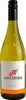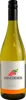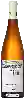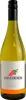
Winery Badische Anilin Soda Fabrik AgSect Traditions Cuvée
 White wine


This wine generally goes well with pork, poultry or rich fish (salmon, tuna etc).
Food and wine pairings with Sect Traditions Cuvée
Pairings that work perfectly with Sect Traditions Cuvée



Original food and wine pairings with Sect Traditions Cuvée


The Sect Traditions Cuvée of Winery Badische Anilin Soda Fabrik Ag matches generally quite well with dishes of pork, rich fish (salmon, tuna etc) or mature and hard cheese such as recipes of banh mi sandwich, mackerel fillets (quick bake) or filet mignon stuffed with bacon and comté cheese.
Details and technical informations about Winery Badische Anilin Soda Fabrik Ag's Sect Traditions Cuvée.
Discover the grape variety: Béclan noir
Native variety of Franche Comté, formerly grown in Beaujolais. It is registered in the Official Catalogue of wine grape varieties, list A1.
Last vintages of this wine
The best vintages of Sect Traditions Cuvée from Winery Badische Anilin Soda Fabrik Ag are 2016, 0
Informations about the Winery Badische Anilin Soda Fabrik Ag
The Winery Badische Anilin Soda Fabrik Ag is one of of the world's greatest estates. It offers 2 wines for sale in the of Rheingau to come and discover on site or to buy online.

The wine region of Rheingau
Rheingau is one of the most important of Germany's 13 Anbaugebiete wine regions. However it is far from the biggest; with 3,076 hectares (7,600 acres) of Vineyard">Vineyards documented in 2012, its output is around one tenth of that from the Pfalz and Rheinhessen regions. Located on the Rhine a 20-minute drive west of Frankfurt, the -gau suffix denotes that it was once a county of the Frankish Empire. The classic Rheingau wine is a DryRiesling with pronounced Acidity and aromas of citrus fruits and smoke-tinged minerality – typically more "masculine" than its equivalent from the Mosel.
The word of the wine: Bleeding
Old practice for red wines. As soon as the vat is filled with grapes, the tap is opened. A sweet but clear juice escapes from the vat (it can also be used to make rosé). The colour and density of the juice is enhanced, but it should not be overdone. Rarely more than 10% of the volume of a vat, otherwise you risk losing fruit and bringing in bitterness.