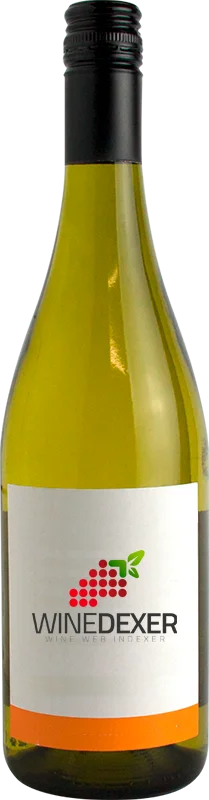
Winery AzzolinoTranùi
 White wine



In the mouth this white wine is a powerful.
This wine generally goes well with vegetarian, appetizers and snacks or shellfish.
Taste structure of the Tranùi from the Winery Azzolino
Light | Bold | |
Dry | Sweet | |
Soft | Acidic |
In the mouth the Tranùi of Winery Azzolino in the region of Sicily is a powerful.
Food and wine pairings with Tranùi
Pairings that work perfectly with Tranùi



Original food and wine pairings with Tranùi
The Tranùi of Winery Azzolino matches generally quite well with dishes of shellfish, vegetarian or appetizers and snacks such as recipes of scallops or scallops express with cognac, broccoli and blue cheese quiche without pastry or delicious moroccan fritters.
Details and technical informations about Winery Azzolino's Tranùi.
Discover the grape variety: Chenin
Chenin, also known as pinot de la Loire Valley (pineau), is the flagship grape variety of the Loire Valley. It would have found its first origins in Anjou where it would have been cultivated by the monks of the Abbey of Saint-Maur located between Angers and Saumur since the 6th century. chenin is a great white grape variety which likes particularly the chalky soils called here stones of tufa which were used for the construction of the castles of the Loire Valley. Its bunches are medium-sized, fairly compact and its berries are more or less small. It is an early variety, which resists well to diseases. Chenin has the particularity of being able to participate as well in the elaboration of dry white wines as of sweet white wines or sparkling wines. Perfectly structured by the acidity, elegant, with a complex nose and aromas of yellow fruits, dry fruits, citrus fruits, white flowers, honey... the wine resulting from the chenin is rather lively and nervous, which allows him a good potential of guard. Chenin covers about 10,000 hectares in France, and is very productive in South Africa where it covers more than 26,000 hectares.
Last vintages of this wine
The best vintages of Tranùi from Winery Azzolino are 2016, 0
Informations about the Winery Azzolino
The Winery Azzolino is one of of the world's greatest estates. It offers 15 wines for sale in the of Sicily to come and discover on site or to buy online.

The wine region of Sicily
Sicily is the Southernmost region of Italy, and the largest island in the Mediterranean Sea. For over 2500 years, Sicily (Sicilia in Italian) has been an important centre of Mediterranean viticulture, although the reputation and style of its wines have changed considerably over time. The island was once best known for its Sweet muscatels (see Pantelleria), and later for its fortified Marsala. Today, many of its best-known wines are Dry table wines produced under the regional designation IGT Terre Siciliane, or Sicilia DOC (see below).
The word of the wine: Tastevin
Metal cup, wide and of low height, being used to mirror and taste the wine. Still used in wine brotherhoods for its emblematic and folkloric character, the tastevin has been replaced by the various tasting glasses.