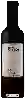
Château AvernusCuvée Ambré Rivesaltes Ambré Vin Doux Naturel
 Natural sweet wine



This wine generally goes well with beef and mature and hard cheese.
The Cuvée Ambré Rivesaltes Ambré Vin Doux Naturel of the Château Avernus is in the top 40 of wines of Rivesaltes.

Food and wine pairings with Cuvée Ambré Rivesaltes Ambré Vin Doux Naturel
Pairings that work perfectly with Cuvée Ambré Rivesaltes Ambré Vin Doux Naturel


Original food and wine pairings with Cuvée Ambré Rivesaltes Ambré Vin Doux Naturel
The Cuvée Ambré Rivesaltes Ambré Vin Doux Naturel of Château Avernus matches generally quite well with dishes of beef or mature and hard cheese such as recipes of spit-turned boar leg (oven) with "automatic watering". or goat cheese, walnut and raisin cake.
Details and technical informations about Château Avernus's Cuvée Ambré Rivesaltes Ambré Vin Doux Naturel.
Discover the grape variety: Verduzzo trevigiano
Lively and fruity whites for early drinking, pale golden colour, taut mouth with pronounced acidity, with signature aromas of green apple, citrus (lemon) and floral notes. Also made as Prosecco-style sparkling and frizzante. Often blended in Piave DOC and Conegliano wines. Verduzzo variety grown in Veneto, province of Treviso.
Informations about the Château Avernus
The Château Avernus is one of of the world's greatest estates. It offers 3 wines for sale in the of Rivesaltes to come and discover on site or to buy online.

The wine region of Rivesaltes
Great Roussillon appellation for Vins Doux Naturels, ~5,200 ha across Pyrénées-Orientales and Aude. Mutage with neutral spirit halts fermentation. 4 signature styles: Grenat on black Grenache with intense notes of candied cherry, kirsch and cocoa; oxidative Tuilé with prune, coffee, walnut and caramel; Ambré (white Grenache) with honey, candied orange, dried fruits; fruity Rosé strawberry. Exceptional ageing (10-50 years).
The wine region of Languedoc-Roussillon
Largest single French vineyard, dominated by sunny, generous reds. Spicy Syrah, candied Grenache (ripe fruit, garrigue), structured Carignan, deep Mourvèdre, supple Cinsault. Stars: structured Corbières, Minervois, Faugères, Saint-Chinian; round Côtes-du-Roussillon. Legendary vins doux naturels: Banyuls and Maury (fortified Grenache) with notes of cocoa, fig, prune.
The word of the wine: Filling
Gentle transfer from one barrel to another to oxygenate the wine, eliminate some of the lees and reduce the carbon dioxide (fizz) that was released during the fermentations.