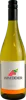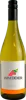
Winery AveledaSolos de Xisto Alvarinho
 White wine


In the mouth this white wine is a with a nice freshness.
This wine generally goes well with appetizers and snacks, lean fish or shellfish.
Taste structure of the Solos de Xisto Alvarinho from the Winery Aveleda
Light | Bold | |
Dry | Sweet | |
Soft | Acidic |
In the mouth the Solos de Xisto Alvarinho of Winery Aveleda in the region of Minho is a with a nice freshness.
Food and wine pairings with Solos de Xisto Alvarinho
Pairings that work perfectly with Solos de Xisto Alvarinho



Original food and wine pairings with Solos de Xisto Alvarinho

The Solos de Xisto Alvarinho of Winery Aveleda matches generally quite well with dishes of shellfish, appetizers and snacks or lean fish such as recipes of fried squid, codfish accras or fish fillets in papillotes.
Details and technical informations about Winery Aveleda's Solos de Xisto Alvarinho.
Discover the grape variety: Alvarinho
The white Alvarinho is a grape variety originating from Spain. It produces a variety of grape specially used for the elaboration of wine. It is rare to find this grape to eat on our tables. This variety of grape is characterized by small bunches and small grapes. The white Alvarinho can be found cultivated in these vineyards: South-West, Cognac, Bordeaux, Languedoc & Roussillon, Rhone Valley.
Last vintages of this wine
The best vintages of Solos de Xisto Alvarinho from Winery Aveleda are 0, 2018
Informations about the Winery Aveleda
The Winery Aveleda is one of of the world's great estates. It offers 29 wines for sale in the of Minho to come and discover on site or to buy online.

The wine region of Minho
Minho is Portugal's Northernmost wine region. It is known for one wine style above all others: crisp, light, white Vinho Verde, whose DOC zone covers the same territory. The Minho name is used for the area's Vinho Regional designation (similar to the French IGP). The latter's looser production laws allow more diversity in the average winery's portfolio, including red and rosé wines.
The word of the wine: Disgorging (champagne)
This is the evacuation of the deposit formed by the yeasts during the second fermentation in the bottle, by opening the bottle. The missing volume is completed with the liqueur de dosage - a mixture of wine and cane sugar - before the final cork is placed. For some years now, some producers have been replacing this sugar with rectified concentrated musts (concentrated grape juice) which give excellent results. A too recent dosage (less than three months) harms the gustatory harmony of the champagne.