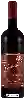
Winery August WeinxofLiebfraumilch Rotwein
 Red wine



This wine generally goes well with

Details and technical informations about Winery August Weinxof's Liebfraumilch Rotwein.
Discover the grape variety: Mtsvane Kakhuri
Structured, aromatic dry whites with a pale golden robe, a broad palate and preserved acidity, with signature aromas of citrus (lemon), white flowers, white-fleshed fruits (peach) and Caucasian mineral notes. Also made as tannic orange wines in qvevri (buried jars) with dried fruit and spice notes. Grown in Kakheti (eastern Georgia), it embodies Georgian viticultural identity and the qvevri heritage. Native Georgian white grape.
Last vintages of this wine
The best vintages of Liebfraumilch Rotwein from Winery August Weinxof are 0
Informations about the Winery August Weinxof
The Winery August Weinxof is one of of the world's greatest estates. It offers 17 wines for sale in the of Rheinhessen to come and discover on site or to buy online.

The wine region of Rheinhessen
71% white region: Riesling is king (5,000 ha), dry to off-dry, ripe yellow fruit, apple, citrus and fine saline minerality. Supple, floral Müller-Thurgau for everyday, the world's largest Silvaner plantation with herbaceous, straight notes. Historic cradle of off-sweet Liebfraumilch. Some supple reds (Dornfelder, Spätburgunder).
The word of the wine: PGI
Protected geographical indication. Equivalent to vin de pays in European regulations.