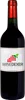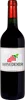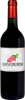
Winery August WeinxofAlkoholfrei Rotwein
 wine
wine
This wine generally goes well with
The Alkoholfrei Rotwein of the Winery August Weinxof is in the top 0 of wines of Rheinhessen.

Details and technical informations about Winery August Weinxof's Alkoholfrei Rotwein.
Discover the grape variety: Boskoop glory
Simple, fruity reds with a clear ruby robe, supple tannins and a light palate with preserved acidity, featuring characteristic foxy aromas of Labrusca varieties, red fruits and herbal notes. Early-ripening and disease-resistant. Grown mainly under glass in the Netherlands, Belgium, Germany and the UK, used primarily as a table grape in northern climates. Dutch hybrid (vinifera × labrusca), discovered around 1900 by Gérard Van Tol.
Informations about the Winery August Weinxof
The Winery August Weinxof is one of of the world's great estates. It offers 17 wines for sale in the of Rheinhessen to come and discover on site or to buy online.

The wine region of Rheinhessen
71% white region: Riesling is king (5,000 ha), dry to off-dry, ripe yellow fruit, apple, citrus and fine saline minerality. Supple, floral Müller-Thurgau for everyday, the world's largest Silvaner plantation with herbaceous, straight notes. Historic cradle of off-sweet Liebfraumilch. Some supple reds (Dornfelder, Spätburgunder).
The word of the wine: Primeur (purchase in)
Purchase made shortly after the harvest and before the wine is ready for consumption.