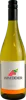
Winery August WeinxofAlkoholfreier Weisswein
 wine
wine
This wine generally goes well with
The Alkoholfreier Weisswein of the Winery August Weinxof is in the top 0 of wines of Rheinhessen.

Details and technical informations about Winery August Weinxof's Alkoholfreier Weisswein.
Discover the grape variety: Ravat blanc
Simple, fresh dry whites with a pale golden robe, supple palate and preserved acidity, with undemonstrative aromas of white flowers, citrus (lemon) and hybrid notes. Productive profile for early drinking. Grown in small quantities in France and Canada for continental-climate vineyards, a witness to post-phylloxera French hybridization history. French white hybrid created by Jean-François Ravat in the early 20th century.
Informations about the Winery August Weinxof
The Winery August Weinxof is one of of the world's great estates. It offers 17 wines for sale in the of Rheinhessen to come and discover on site or to buy online.

The wine region of Rheinhessen
71% white region: Riesling is king (5,000 ha), dry to off-dry, ripe yellow fruit, apple, citrus and fine saline minerality. Supple, floral Müller-Thurgau for everyday, the world's largest Silvaner plantation with herbaceous, straight notes. Historic cradle of off-sweet Liebfraumilch. Some supple reds (Dornfelder, Spätburgunder).
The word of the wine: Lamb's lettuce
Characteristic of fleshy and consistent wines giving the impression of being chewed.