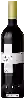
Winery Atardecer de Los AndesBonarda
 Red wine



In the mouth this red wine is a powerful with a nice freshness.
This wine generally goes well with pork, poultry or veal.

Taste structure of the Bonarda from the Winery Atardecer de Los Andes
Light | Bold | |
Smooth | Tannic | |
Dry | Sweet | |
Soft | Acidic |
In the mouth the Bonarda of Winery Atardecer de Los Andes in the region of Mendoza is a powerful with a nice freshness.
Food and wine pairings with Bonarda
Pairings that work perfectly with Bonarda



Original food and wine pairings with Bonarda

The Bonarda of Winery Atardecer de Los Andes matches generally quite well with dishes of veal, pork or game (deer, venison) such as recipes of locro criollo (argentina), rabbit with hunter's sauce or roast duck breast or duck fillet with dried apricots.
Details and technical informations about Winery Atardecer de Los Andes's Bonarda.
Discover the grape variety: Aranel
Simple, fresh dry whites with a pale golden robe, a supple palate and preserved acidity. Understated aromas of citrus (lemon), white fruits (apple), white flowers and herbaceous notes. Thirst-quenching profile, best drunk young. Grown in Languedoc-Roussillon and the South-West for IGP wines, used in modern southern blends. Productive French white grape obtained in 1962 at Montpellier by Paul Truel, a cross of Saint-Pierre Doré × Grenache Blanc.
Last vintages of this wine
The best vintages of Bonarda from Winery Atardecer de Los Andes are 2015, 2018, 2016, 2014 and 0.
Informations about the Winery Atardecer de Los Andes
The Winery Atardecer de Los Andes is one of of the world's greatest estates. It offers 15 wines for sale in the of Mendoza to come and discover on site or to buy online.

The wine region of Mendoza
World capital of Malbec: powerful, deep reds with blackberry, plum, violet and sweet spice, round tannins and vivid fruit. Also firm Cabernet Sauvignon, supple, juicy Bonarda, aromatic floral white Torrontés. High-altitude vineyards (800-1,700 m) at the foot of the Andes, dry continental climate irrigated by glacial waters. ~80% of Argentine output across 150,000 ha.
The word of the wine: Prompt bud
A bud that develops in the year of its formation and gives an entrecoeur.