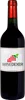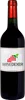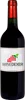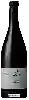
Château ArtixLes Terres Brulées Minervois
 Red wine
This wine generally goes well with beef, veal or pasta.
Food and wine pairings with Les Terres Brulées Minervois
Pairings that work perfectly with Les Terres Brulées Minervois



Original food and wine pairings with Les Terres Brulées Minervois
The Les Terres Brulées Minervois of Château Artix matches generally quite well with dishes of beef, pasta or veal such as recipes of steak tartare, pasta carbonara a la flo without egg or saltimbocca alla romana.
Details and technical informations about Château Artix's Les Terres Brulées Minervois.
Discover the grape variety: Artaban
Wine grape variety of the INRA-Resdur1 series with polygenic resistance (two genes for mildew and powdery mildew have been identified) resulting from an interspecific cross, obtained in 2000, between Mtp 3082-1-42 (one of its parents is Vitis rotundifolia, which is resistant to Pierce's disease, mildew, grey rot, etc.) and Regent. It is registered in the Official Catalogue of wine grape varieties list A1.
Informations about the Château Artix
The Château Artix is one of of the world's greatest estates. It offers 5 wines for sale in the of Minervois to come and discover on site or to buy online.

The wine region of Minervois
Minervois is an appellation for distinctive red wines from the western Languedoc region of France. In general, they are softer than those produced in the Corbières, just to the South. The Minervois appellation also covers rosé and white wines. The predominant Grape varieties used in AOC Minervois wines are Grenache, Syrah and Mourvèdre.
The wine region of Languedoc-Roussillon
Languedoc (formerly Coteaux du Languedoc) is a key appellation used in the Languedoc-Roussillon wine region of southern France. It covers Dry table wines of all three colors (red, white and rosé) from the entire region, but leaves Sweet and Sparkling wines to other more specialized appellations. About 75% of all Languedoc wines are red, with the remaining 25% split roughly down the middle between whites and rosés. The appellation covers most of the Languedoc region and almost a third of all the vineyards in France.
The word of the wine: Chaptalization
The addition of sugar at the time of fermentation of the must, an ancient practice, but theorized by Jean-Antoine Chaptal at the dawn of the 19th century. The sugar is transformed into alcohol and allows the natural degree of the wine to be raised in a weak or cold year, or - more questionably - when the winegrower has a harvest that is too large to obtain good maturity.