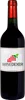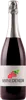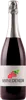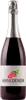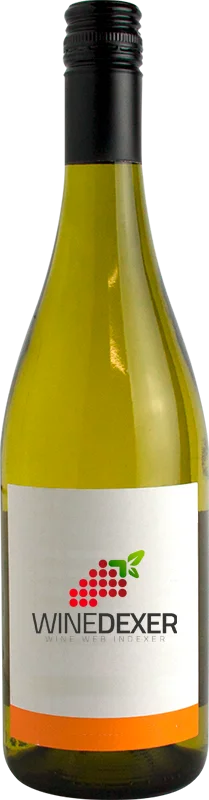
Winery Ariano HermanosMuscat Ottonel
 White wine


This wine generally goes well with



Details and technical informations about Winery Ariano Hermanos's Muscat Ottonel.
Discover the grape variety: Muscat Ottonel
Delicate and fine muscat whites with a tender palate and moderate acidity, on intense and refined aromas of orange blossom, rose, fresh grape, citrus, white peach and airy muscat (more subtle than Muscat Blanc à Petits Grains). Made as aromatic dry aperitif whites (Alsace, Baden), off-dry and sumptuous botrytised liquoreux (Burgenland in Austria, Cotnari in Romania, Tokaj). Created in the 19th century by Robert Moreau (Angers), a cross of Chasselas × Muscat de Saumur.
Last vintages of this wine
The best vintages of Muscat Ottonel from Winery Ariano Hermanos are 2015, 0
Informations about the Winery Ariano Hermanos
The Winery Ariano Hermanos is one of of the world's great estates. It offers 41 wines for sale in the of Canelones to come and discover on site or to buy online.

The wine region of Canelones
Uruguay's main region north of Montevideo (~90% of national output). National star Tannat: powerful, structured reds with signature notes of blackberry, black plum, violet, leather, tobacco and spice, firm tannins and notable ageing potential — more Tannat planted here than in Madiran, its birthplace. Also round Merlot, peppery Cabernet Franc, spicy Syrah. Fresh saline Albarino whites.
The word of the wine: Trading
Term used to designate the wine trade and related professions. Sometimes used in contrast to viticulture.