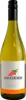
Winery ArgyrakisAti White
 White wine



This wine generally goes well with

Discover the grape variety: Assyrtiko
Taut and mineral whites with exceptional cutting acidity and a lean palate, on intense aromas of lemon, grapefruit, green apple, white flowers, smoke and strongly marked volcanic saline-iodine notes. Fine ageing potential. The absolute star of Santorini PDO on the volcanic soils of the Cyclades (vines trained in kouloura baskets to protect against wind). Now exported to Australia, California and South Africa. Native Greek variety.
Last vintages of this wine
The best vintages of Ati White from Winery Argyrakis are 1997, 2016, 0
Informations about the Winery Argyrakis
The Winery Argyrakis is one of of the world's greatest estates. It offers 4 wines for sale in the of Imathia to come and discover on site or to buy online.

The wine region of Imathia
PGI of Central Macedonia around Vergina, at the foot of Mount Vermio (80–350 m). Mediterranean climate with continental influences. Xinomavro, the noble red signature, delivers notes of sun-dried tomato, black olive, morello cherry, herbs and minerals, with firm tannins and superb ageing potential. Also produced as a crisp rosé.
The wine region of Macedonia
Large wine region of northern Greece, 1st by volume, altitude vineyards tempered by mountain massifs. Signature Xinomavro ("acid black") as king grape: structured, complex reds with signature notes of tart cherry, dried tomato, black olive, Mediterranean herbs, leather and a mineral touch, firm tannins and long ageing — compared to Nebbiolo. Stars in PDO Naoussa, Amyndeon, Goumenissa and Rapsani. Also lively, mineral Assyrtiko, aromatic Malagousia as whites.
The word of the wine: Petiole
Stem of the leaf, connecting the leaf blade to the stem.