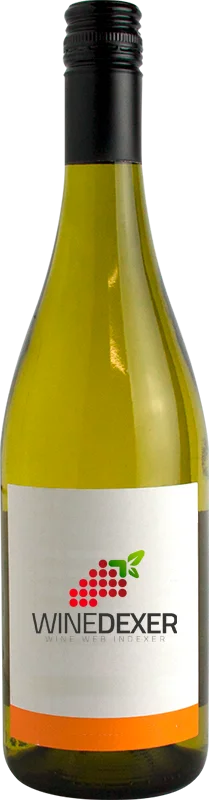
Bodegas la RosaMonterosa Reserve Sauvignon Blanc
 White wine
In the mouth this white wine is a with a nice freshness.
This wine generally goes well with vegetarian, shellfish or goat cheese.

Taste structure of the Monterosa Reserve Sauvignon Blanc from the Bodegas la Rosa
Light | Bold | |
Dry | Sweet | |
Soft | Acidic |
In the mouth the Monterosa Reserve Sauvignon Blanc of Bodegas la Rosa in the region of Mendoza is a with a nice freshness.
Food and wine pairings with Monterosa Reserve Sauvignon Blanc
Pairings that work perfectly with Monterosa Reserve Sauvignon Blanc



Original food and wine pairings with Monterosa Reserve Sauvignon Blanc
The Monterosa Reserve Sauvignon Blanc of Bodegas la Rosa matches generally quite well with dishes of shellfish, vegetarian or goat cheese such as recipes of koskera hake (basque country), tuna, pepper and tomato quiche or warm goat cheese/honey buckwheat pancakes.
Details and technical informations about Bodegas la Rosa's Monterosa Reserve Sauvignon Blanc.
Discover the grape variety: Rosé du Var
Lively, fruity rosés with a pale to bright pink colour, supple palate and preserved acidity, showing signature aromas of red fruits (strawberry, raspberry, cherry), flowers and Mediterranean notes. Airy Provençal profile, best drunk young. Preserved for its heritage value, it contributes to the rosé identity of Provençal viticulture among the ancient cultivars studied for their genetic interest. Rare French pink variety native to Provence, grown in confidential quantities in the Var.
Informations about the Bodegas la Rosa
The Bodegas la Rosa is one of of the world's great estates. It offers 47 wines for sale in the of Mendoza to come and discover on site or to buy online.

The wine region of Mendoza
World capital of Malbec: powerful, deep reds with blackberry, plum, violet and sweet spice, round tannins and vivid fruit. Also firm Cabernet Sauvignon, supple, juicy Bonarda, aromatic floral white Torrontés. High-altitude vineyards (800-1,700 m) at the foot of the Andes, dry continental climate irrigated by glacial waters. ~80% of Argentine output across 150,000 ha.
The word of the wine: Oxidation
Alteration of the wine caused by prolonged contact with oxygen and resulting in a coppery colour with brown reflections and the appearance of typical aromas reminiscent of rancid nuts.