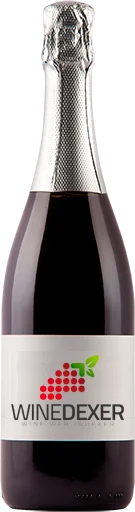
Winery El EstecoDon David Torrontés Dulce
 Sparkling wine



This wine generally goes well with pork, rich fish (salmon, tuna etc) or cured meat.
Food and wine pairings with Don David Torrontés Dulce
Pairings that work perfectly with Don David Torrontés Dulce



Original food and wine pairings with Don David Torrontés Dulce

The Don David Torrontés Dulce of Winery El Esteco matches generally quite well with dishes of pork, rich fish (salmon, tuna etc) or spicy food such as recipes of pan-fried black pudding with apples, sea bream a la plancha or seafood pastilla.
Details and technical informations about Winery El Esteco's Don David Torrontés Dulce.
Discover the grape variety: Calabrese
Most certainly of Italian origin, more precisely from Sicily where it is very well known. It should be noted that a certain number of Italian grape varieties bear the synonym or name "calabrese", whether or not followed by an epithet, and care should be taken not to confuse them. Calabrese is also known in the United States, Italy, Bulgaria and Malta. In France, it is virtually absent from the vineyard, although it is listed in the Official Catalogue of Wine Grape Varieties, list A1.
Last vintages of this wine
The best vintages of Don David Torrontés Dulce from Winery El Esteco are 0
Informations about the Winery El Esteco
The Winery El Esteco is one of of the world's great estates. It offers 100 wines for sale in the of Salta to come and discover on site or to buy online.

The wine region of Salta
Salta, in the far North of Argentina, is home to some of the world's most extreme Vineyard sites. As is the case in Catamarca to the South and Jujuy to the northwest, Salta's vineyards are often located amid mountainous terrain with some reaching altitudes of just over 3,000 meters (9840ft) above sea level. The viticultural area is mainly concentrated to Cafayate of the Calchaqui Valley. Argentina's signature Grape varieties of Torrontes and Malbec are Salta's top performers, producing Bright, intensely flavored wines.
The word of the wine: Foxé
An animal odor found in certain reduced or old wines, which are also said to fox, in reference to the fox.