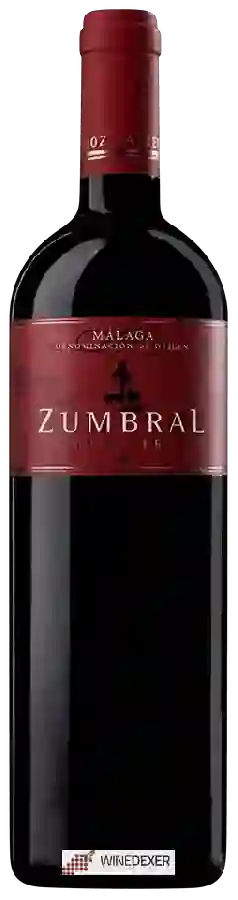
Winery Antonio Munoz CabreraZumbral
 Sweet wine


This wine generally goes well with
The Zumbral of the Winery Antonio Munoz Cabrera is in the top 80 of wines of Málaga.

Wine flavors and olphactive analysis


On the nose the Zumbral of Winery Antonio Munoz Cabrera in the region of Andalousie often reveals types of flavors of honey, non oak or earth and sometimes also flavors of oak, dried fruit.
Details and technical informations about Winery Antonio Munoz Cabrera's Zumbral.
Discover the grape variety: Negroamaro
Powerful, structured reds with an almost black inky hue, firm tannins and a solar dense palate, with intense aromas of ripe black fruits (blackberry, plum), tobacco, leather, Mediterranean herbs, spices, liquorice and balsamic notes with a signature bitter finish. Also made as structured rosés. Star of Salice Salentino DOC, Brindisi DOC and Squinzano DOC in Salento. Native Italian variety from Puglia; its name evokes its black colour and bitterness.
Last vintages of this wine
The best vintages of Zumbral from Winery Antonio Munoz Cabrera are 2016
Informations about the Winery Antonio Munoz Cabrera
The Winery Antonio Munoz Cabrera is one of of the world's greatest estates. It offers 24 wines for sale in the of Málaga to come and discover on site or to buy online.

The wine region of Málaga
Mediterranean Andalusian DO, one of Spain's oldest. Signature sweet wines: Pedro Ximénez and Moscatel sun-dried on paseras: dark, opulent nectars with notes of raisin, fig, date, honey, coffee, cocoa, caramel and an oxidative touch — from dry "Pajarete" to sweet Dulce. DO Sierras de Málaga since 2001 for dry stills (floral Moscatel, fruity Romé, supple Tempranillo, peppery Syrah). Schist and limestone soils.
The wine region of Andalousie
Dry, sun-baked southern Spain, world cradle of fortified and oxidative wines. Sherry from Jerez is the signature: Palomino Fino under a veil of flor yields lively, saline Fino with signature notes of almond, yeast, green apple and a sharp iodine edge; more maritime Manzanilla (Sanlúcar); unveiled Oloroso in grand oxidation (walnut, caramel, tobacco). Pedro Ximénez from Montilla-Moriles: intense dark sweet (fig, raisin, coffee, molasses). Also muscat Málaga.
The word of the wine: Tannic
Said of an astringent wine rich in tannins.





