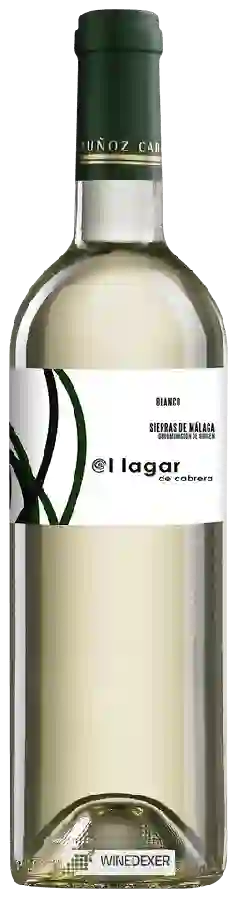
Winery Antonio Munoz CabreraEl Lagar de Cabrera Blanco
 White wine



This wine generally goes well with

Wine flavors and olphactive analysis


On the nose the El Lagar de Cabrera Blanco of Winery Antonio Munoz Cabrera in the region of Andalousie often reveals types of flavors of earth, microbio or tree fruit and sometimes also flavors of citrus fruit.
Details and technical informations about Winery Antonio Munoz Cabrera's El Lagar de Cabrera Blanco.
Discover the grape variety: Mara&scarontina
Structured, rich dry whites with a pale golden robe, a full palate and moderate acidity, with signature aromas of almond, yellow fruits (pear, quince), white flowers (acacia) and marine saline notes. Also as sweet Prošek with dried fruit and honey. Thrives on the calcareous coastal terroirs of the Adriatic in Dalmatia. Native Croatian white grape, identical to the Italian Rukatac according to DNA analysis.
Last vintages of this wine
The best vintages of El Lagar de Cabrera Blanco from Winery Antonio Munoz Cabrera are 2012, 2011, 2017, 2015 and 0.
Informations about the Winery Antonio Munoz Cabrera
The Winery Antonio Munoz Cabrera is one of of the world's greatest estates. It offers 24 wines for sale in the of Sierras de Málaga to come and discover on site or to buy online.

The wine region of Sierras de Málaga
Andalusian DO for dry still wines, altitude vineyards up to 1,000 m (Serranía de Ronda), Mediterranean climate with marked microclimates. Romé signature in fruity indigenous red (cherry, raspberry, herbs), supple Tempranillo (plum, cherry, tobacco), peppery deep Syrah, firm Cabernet (blackcurrant, cedar), juicy Garnacha, dense Petit Verdot. Floral Moscatel, ample Pedro Ximénez, bright indigenous Doradilla in whites. Solar, precise altitude wines.
The wine region of Andalousie
Dry, sun-baked southern Spain, world cradle of fortified and oxidative wines. Sherry from Jerez is the signature: Palomino Fino under a veil of flor yields lively, saline Fino with signature notes of almond, yeast, green apple and a sharp iodine edge; more maritime Manzanilla (Sanlúcar); unveiled Oloroso in grand oxidation (walnut, caramel, tobacco). Pedro Ximénez from Montilla-Moriles: intense dark sweet (fig, raisin, coffee, molasses). Also muscat Málaga.
The word of the wine: Disgorging (champagne)
This is the evacuation of the deposit formed by the yeasts during the second fermentation in the bottle, by opening the bottle. The missing volume is completed with the liqueur de dosage - a mixture of wine and cane sugar - before the final cork is placed. For some years now, some producers have been replacing this sugar with rectified concentrated musts (concentrated grape juice) which give excellent results. A too recent dosage (less than three months) harms the gustatory harmony of the champagne.


