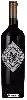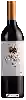
Winery Andrew WillAnnie Camarda Cabernet Franc
 wine
wine
This wine generally goes well with
The Annie Camarda Cabernet Franc of the Winery Andrew Will is in the top 0 of wines of Columbia Valley.
Details and technical informations about Winery Andrew Will's Annie Camarda Cabernet Franc.
Discover the grape variety: Picolit noir
A very old grape variety, which almost disappeared, cultivated for a very long time in the north-east of Italy, more precisely in the region of Friuli bordering with Aurelia and Slovenia. It can be found in Italy, but also in Spain, ... in France it is completely unknown. Note that it is not related to the white picolit.
Informations about the Winery Andrew Will
The Winery Andrew Will is one of of the world's great estates. It offers 38 wines for sale in the of Columbia Valley to come and discover on site or to buy online.

The wine region of Columbia Valley
The wine region of Columbia Valley is located in the region of Washington of United States. We currently count 841 estates and châteaux in the of Columbia Valley, producing 3147 different wines in conventional, organic and biodynamic agriculture. The wines of Columbia Valley go well with generally quite well with dishes .
The wine region of Washington
Washington State is located in the Pacific Northwest of the United States, immediately north of Oregon. Although the history of the wine industry is relatively Short, Washington's 900-plus wineries and 350-plus independent winemakers, with more than 50,000 acres of vineyards, now produce more wine than any other state except California. Almost all wine production is in the hot, desert-like eastern Part of Washington, although there is some Grape growing and an AVA (Puget Sound) in the cooler, wetter west. White Chardonnay and Riesling grapes, and red Merlot, Cabernet Sauvignon and Syrah grapes are the main varieties grown in Washington, but the region produces quality wines from nearly 70 different grape varieties.
The word of the wine: Muscat blanc à petits grains
A white grape variety cultivated since antiquity on the shores of the Mediterranean, it is considered the noblest of the muscats. It is mainly used to make sweet wines, often from mutage. In France, it is the sole variety used in many natural sweet wines: muscat-de-frontignan, muscat-de-mireval, muscat-de-lunel, muscat-de-saint-jean-de-minervois, muscat-de-beaumes-de-venise, muscat-du-cap-corse. Combined with Muscat d'Alexandrie, it gives Muscat-de-Rivesaltes. It is also used to make sparkling white wines (clairette-de-die; moscato d'asti and asti spumante in Italy) and dry wines (alsace-muscat). Powerfully aromatic and complex, its wines evoke fresh grapes, roses, exotic fruits, citrus fruits and spices.