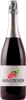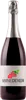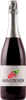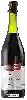
Winery AndiamoÚnico Reggiano Lambrusco Rosato Dolce
 wine
wine
This wine generally goes well with
The Único Reggiano Lambrusco Rosato Dolce of the Winery Andiamo is in the top 0 of wines of Reggiano.

Details and technical informations about Winery Andiamo's Único Reggiano Lambrusco Rosato Dolce.
Discover the grape variety: Fiano blanc
Structured, aromatic dry whites with a pale golden colour, an ample palate and preserved acidity, showing signature aromas of white flowers (acacia, honeysuckle), yellow fruits (pear, peach), honey, hazelnut, almond and volcanic mineral notes. Fine ageing and cellaring potential. The absolute star of Fiano di Avellino DOCG in Campania, one of Italy's great whites. Indigenous Italian variety from Campania, one of the oldest in the south (Roman era).
Informations about the Winery Andiamo
The Winery Andiamo is one of of the world's greatest estates. It offers 3 wines for sale in the of Reggiano to come and discover on site or to buy online.

The wine region of Reggiano
Historic heart of Lambrusco with Modena, Po Valley in Emilia-Romagna. Signature sparkling reds and rosés: Lambrusco Maestri, Marani, Salamino blend with Ancellotta (up to 15%, roundness and color). Generous wines with fine bubbles showing black cherry, blackberry, strawberry, violet and herbal hints, from secco to dolce, light tannins and tangy freshness — moderate alcohol. Historic partner of Emilian cuisine (Parmigiano, charcuterie, lasagne).
The wine region of Emilia-Romagna
Kingdom of Lambrusco: fresh, fruity sparkling reds (blackberry, cherry, violet), from gourmet dry to convivial off-dry, perfect with local charcuterie. World's best-selling sparkling wine on the Emilia side (Sorbara, Grasparossa, Salamino). East, Romagna: supple fruity Sangiovese, Albana (Italy's 1st white DOCG, 1987) ample and almondy. Also red Gutturnio and white Pignoletto.
The word of the wine: Performance
Quantity of grapes harvested per hectare. In AOC, the average yield is limited on the proposal of the appellation syndicate, validated by the Inao. The use of high-performance plant material (especially clones) and better control of vine diseases have increased yields. This is not without consequences on the quality of the wines (dilution) and on the state of the market (too much wine). We must not over-simplify: low yields are not synonymous with quality, and it is often in years with generous harvests that we find the greatest vintages (1982 and 1986 in Bordeaux, 1996 in Champagne, 1990 and 2005 in Burgundy...).