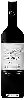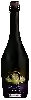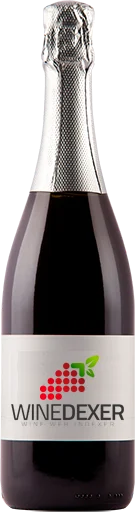
Winery Andean VineyardsCondor Andino Extra Brut
 Sparkling wine


This wine generally goes well with fruity desserts, lean fish or shellfish.

Food and wine pairings with Condor Andino Extra Brut
Pairings that work perfectly with Condor Andino Extra Brut



Original food and wine pairings with Condor Andino Extra Brut
The Condor Andino Extra Brut of Winery Andean Vineyards matches generally quite well with dishes of shellfish, lean fish or fruity desserts such as recipes of garlic shrimp, cod on leek fondue or express cherry clafoutis.
Details and technical informations about Winery Andean Vineyards's Condor Andino Extra Brut.
Discover the grape variety: Chenin blanc
Chameleon whites with taut acidity, ranging from mineral dry (Savennières, Vouvray sec) to off-dry and medium-sweet (Vouvray, Montlouis), sumptuous botrytised sweet (Quarts-de-Chaume, Bonnezeaux, Coteaux du Layon) and brilliant sparkling (Crémant de Loire, Vouvray brut). Aromas of quince, apple, honey, white flowers, beeswax and flint. An Anjou variety, also star of South Africa's Western Cape.
Last vintages of this wine
The best vintages of Condor Andino Extra Brut from Winery Andean Vineyards are 0
Informations about the Winery Andean Vineyards
The Winery Andean Vineyards is one of of the world's great estates. It offers 99 wines for sale in the of Mendoza to come and discover on site or to buy online.

The wine region of Mendoza
World capital of Malbec: powerful, deep reds with blackberry, plum, violet and sweet spice, round tannins and vivid fruit. Also firm Cabernet Sauvignon, supple, juicy Bonarda, aromatic floral white Torrontés. High-altitude vineyards (800-1,700 m) at the foot of the Andes, dry continental climate irrigated by glacial waters. ~80% of Argentine output across 150,000 ha.
The word of the wine: Cryo-extraction
This technique was very popular at the end of the 80's in Sauternes, a little less so now. The grapes are frozen before pressing, and the water transformed into ice remains in the marc, only the sugar flows out. As with the concentrators, the "cryo" can also increase bad taste and greenness.