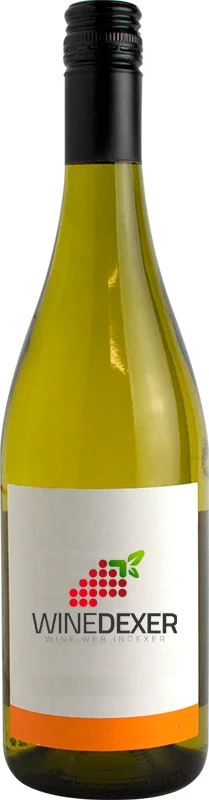
Winery Amor ViniGarganega - Pinot Grigio
 White wine


This wine generally goes well with poultry, veal or shellfish.

Food and wine pairings with Garganega - Pinot Grigio
Pairings that work perfectly with Garganega - Pinot Grigio



Original food and wine pairings with Garganega - Pinot Grigio
The Garganega - Pinot Grigio of Winery Amor Vini matches generally quite well with dishes of veal, shellfish or poultry such as recipes of beef mironton, thai shrimp soup (tom yam goong) or peach and apricot chicken (about 270 calories).
Details and technical informations about Winery Amor Vini's Garganega - Pinot Grigio.
Discover the grape variety: Garganega
Structured, aromatic whites with a round palate and fresh acidity, with aromas of fresh almond, white flowers, yellow apple, pear, citrus and volcanic mineral notes. Typical bitter almond finish. Made as noble dry whites (Soave Classico DOC, Soave Superiore DOCG) and sumptuous passito dessert wines (Recioto di Soave DOCG). Also in Gambellara DOC. Native Venetian variety from the volcanic hills south-east of Verona.
Last vintages of this wine
The best vintages of Garganega - Pinot Grigio from Winery Amor Vini are 0
Informations about the Winery Amor Vini
The Winery Amor Vini is one of of the world's greatest estates. It offers 5 wines for sale in the of Vino da Tavola to come and discover on site or to buy online.

The wine region of Vino da Tavola
The freest category of Italian wine, with no grape or zone constraint. All styles: bold reds based on Bordeaux grapes (Cabernet, Merlot), atypical blends, maker's cuvées outside DOC rules. Historic cradle of the "Super Tuscans" in the 1960s-80s (Sassicaia, Tignanello, Ornellaia) before the creation of IGT in 1992. Today dedicated to everyday wines or winemaker experiments.
The word of the wine: Oxidative (breeding)
A method of ageing which aims to give the wine certain aromas of evolution (dried fruit, bitter orange, coffee, rancio, etc.) by exposing it to the air; it is then matured either in barrels, demi-muids or unoaked casks, sometimes stored in the open air, or in barrels exposed to the sun and to temperature variations. This type of maturation characterizes certain natural sweet wines, ports and other liqueur wines.