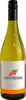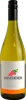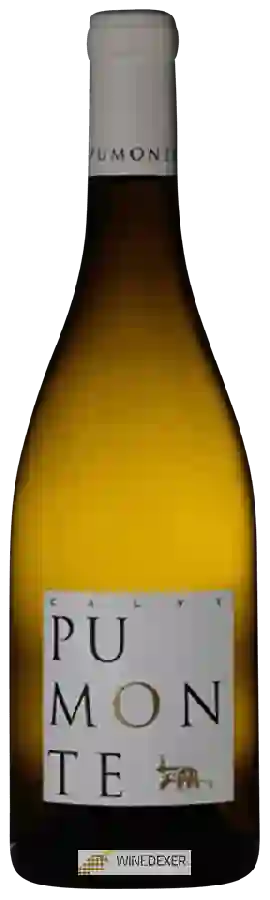
Domaine d'AlzipratuPumonte Blanc
 White wine


This wine generally goes well with
The Pumonte Blanc of the Domaine d'Alzipratu is in the top 10 of wines of Vin de Corse.

Wine flavors and olphactive analysis





On the nose the Pumonte Blanc of Domaine d'Alzipratu in the region of Corsica often reveals types of flavors of citrus, earthy or non oak and sometimes also flavors of earth, oak or tree fruit.
Details and technical informations about Domaine d'Alzipratu's Pumonte Blanc.
Discover the grape variety: Vermentino
Nervy, saline whites with cutting acidity and enveloping richness, showing aromas of grapefruit, lime, pear, white flowers, fresh almond, fennel and marine iodine notes. Slightly bitter finish. Star of Sardinia (Vermentino di Gallura DOCG), Liguria, coastal Tuscany (Bolgheri) and Corsica. Also in Provence and Languedoc-Roussillon as Rolle. An autochthonous Mediterranean variety.
Last vintages of this wine

The best vintages of Pumonte Blanc from Domaine d'Alzipratu are 2010, 2016, 2015, 2011 and 2019.
Informations about the Domaine d'Alzipratu
The Domaine d'Alzipratu is one of of the world's greatest estates. It offers 14 wines for sale in the of Vin de Corse to come and discover on site or to buy online.

The wine region of Vin de Corse
Regional AOC covering the Île de Beauté outside the communal AOCs, Mediterranean climate on granite and schist. Signature native trio. Niellucciu as deep red (cousin of Sangiovese): black cherry, blackberry, garrigue, maquis, leather and spices, firm tannins. Sciaccarellu as fine peppery red (strawberry, pepper, herbs), also great rosé.
The wine region of Corsica
Mediterranean island wine region with a triple native face, ~8,000 ha. Niellucciu signature (cousin of Sangiovese) dominates Patrimonio: structured reds with signature notes of black cherry, garrigue, maquis, spices and leather, firm tannins and sun-drenched mouth. Sciaccarellu (min. 60% in Ajaccio) lighter and peppery (strawberry, wild herbs).
The word of the wine: Pressing Rosé
A method of making rosé wine that consists of pressing the grapes directly after crushing and light skin maceration. The resulting wine is lively, light and pale.