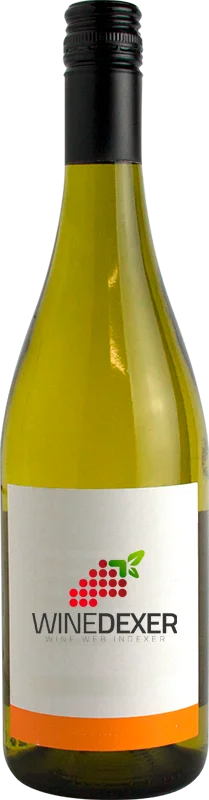
Winery Altor Ider BalboYuyo Chenin - Chardonnay
 White wine


This wine is a blend of 2 varietals which are the Chardonnay and the Chenin blanc.
This wine generally goes well with fruity desserts, pork or vegetarian.

Food and wine pairings with Yuyo Chenin - Chardonnay
Pairings that work perfectly with Yuyo Chenin - Chardonnay



Original food and wine pairings with Yuyo Chenin - Chardonnay



The Yuyo Chenin - Chardonnay of Winery Altor Ider Balbo matches generally quite well with dishes of pork, rich fish (salmon, tuna etc) or shellfish such as recipes of wild boar bourguignon, grilled mackerel with garlic and herbs or pageot.
Details and technical informations about Winery Altor Ider Balbo's Yuyo Chenin - Chardonnay.
Discover the grape variety: Chardonnay
Whites with many faces: mineral and taut at Chablis (lemon, green apple, flint), opulent and buttery at Meursault and Puligny-Montrachet (hazelnut, brioche, yellow fruits), tense and chalky in Champagne (Blanc de Blancs). Also vinified sparkling and widely exported (Sonoma, Margaret River, Casablanca). A Burgundian variety, a cross of Pinot Noir × Gouais Blanc, half-sibling of Aligoté.
Last vintages of this wine
The best vintages of Yuyo Chenin - Chardonnay from Winery Altor Ider Balbo are 0, 2019, 2017
Informations about the Winery Altor Ider Balbo
The Winery Altor Ider Balbo is one of of the world's great estates. It offers 27 wines for sale in the of Mendoza to come and discover on site or to buy online.

The wine region of Mendoza
World capital of Malbec: powerful, deep reds with blackberry, plum, violet and sweet spice, round tannins and vivid fruit. Also firm Cabernet Sauvignon, supple, juicy Bonarda, aromatic floral white Torrontés. High-altitude vineyards (800-1,700 m) at the foot of the Andes, dry continental climate irrigated by glacial waters. ~80% of Argentine output across 150,000 ha.
The word of the wine: Malolactic fermentation
Called second fermentation or malo for short. It is the degradation (under the effect of bacteria) of the malic acid naturally present in the wine into milder, less aggressive lactic acid. Some producers or wineries refuse this operation by "blocking the malo" (by cold and adding SO2) to keep a maximum of acidity which carries the aromas and accentuates the sensation of freshness.