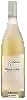
Winery AlpamantaTerroir Sauvignon Blanc
 White wine


In the mouth this white wine is a with a nice freshness.
This wine generally goes well with vegetarian, shellfish or goat cheese.

Taste structure of the Terroir Sauvignon Blanc from the Winery Alpamanta
Light | Bold | |
Dry | Sweet | |
Soft | Acidic |
In the mouth the Terroir Sauvignon Blanc of Winery Alpamanta in the region of Mendoza is a with a nice freshness.
Food and wine pairings with Terroir Sauvignon Blanc
Pairings that work perfectly with Terroir Sauvignon Blanc



Original food and wine pairings with Terroir Sauvignon Blanc
The Terroir Sauvignon Blanc of Winery Alpamanta matches generally quite well with dishes of shellfish, vegetarian or goat cheese such as recipes of arroz de marisco, mushroom, bacon and gruyere quiche or pizza.
Details and technical informations about Winery Alpamanta's Terroir Sauvignon Blanc.
Discover the grape variety: Limnio
Structured, elegant reds with a deep ruby colour, firm, smooth tannins and an ample palate with fresh acidity, signature aromas of red fruits (cherry, raspberry), Mediterranean herbs (thyme, rosemary) and saline iodine notes. Ageing potential. Star of the great reds of the Aegean islands, especially on Limnos. Indigenous Greek black variety, one of the oldest cited (by Hesiod and Aristotle).
Last vintages of this wine
The best vintages of Terroir Sauvignon Blanc from Winery Alpamanta are 0, 2016
Informations about the Winery Alpamanta
The Winery Alpamanta is one of of the world's great estates. It offers 20 wines for sale in the of Mendoza to come and discover on site or to buy online.

The wine region of Mendoza
World capital of Malbec: powerful, deep reds with blackberry, plum, violet and sweet spice, round tannins and vivid fruit. Also firm Cabernet Sauvignon, supple, juicy Bonarda, aromatic floral white Torrontés. High-altitude vineyards (800-1,700 m) at the foot of the Andes, dry continental climate irrigated by glacial waters. ~80% of Argentine output across 150,000 ha.
The word of the wine: Guyot (pruning)
This is the most widespread pruning technique. It includes one or two long branches and allows the mechanization of a large number of vineyard operations.