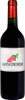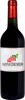
Winery Alma LusaMigas Tinto
 Red wine



In the mouth this red wine is a powerful.
This wine generally goes well with poultry, beef or veal.
Taste structure of the Migas Tinto from the Winery Alma Lusa
Light | Bold | |
Smooth | Tannic | |
Dry | Sweet | |
Soft | Acidic |
In the mouth the Migas Tinto of Winery Alma Lusa in the region of Alentejano is a powerful.
Food and wine pairings with Migas Tinto
Pairings that work perfectly with Migas Tinto



Original food and wine pairings with Migas Tinto

The Migas Tinto of Winery Alma Lusa matches generally quite well with dishes of beef, lamb or veal such as recipes of beef colombo bourguignon style, lebanese lamb meatball or tanjia.
Details and technical informations about Winery Alma Lusa's Migas Tinto.
Discover the grape variety: Madeleine angevine O.
This variety was obtained in the 19th century by Christian Oberlin, by crossing the madeleine angevine with the bouquettraube, registered in the Official Catalogue of vine varieties list A1. It should not be confused with the said Madeleine Angevine because its resemblance is strong, at least in its bunches. Today, Madeleine angevine Oberlin is no longer cultivated, it is still only found in a few private homes, usually on trellises. - Synonymy: angevine oberlin, madeleine blonde oberlin (the synonymy of grape varieties, click here!)
Last vintages of this wine
The best vintages of Migas Tinto from Winery Alma Lusa are 2013, 2018, 0, 2017 and 2014.
Informations about the Winery Alma Lusa
The Winery Alma Lusa is one of of the world's greatest estates. It offers 6 wines for sale in the of Alentejano to come and discover on site or to buy online.

The wine region of Alentejano
Tejo">Alentejo is a well-known, highly respected wine region in eastern Portugal. This hot, Dry area covers approximately a third of the country and is best known for its red wine, the best of which are sold under the and Alentejo DOC (Denominacao de Origem Controlada) title. Wine from Alentejo is typically made from Aragonez (Tempranillo), Castelao, Trincadeira or a Rich, ripe, jammy blend of the three. Antao Vaz is the white variety of choice here, producing a good level of Acidity and tropical fruit flavors.
The word of the wine: Ugni blanc
White grape variety of Italian origin, and the main white variety grown in France. Its large bunches give fine, light and lively wines, suitable for distillation: today it is the main variety for making cognac and armagnac. Ugni blanc, which is a little richer in alcohol when grown in Mediterranean regions, is used in the blending of the Provence and Corsica appellations, often in association with other grape varieties that bring aromas and structure, such as clairette, grenache blanc or sauvignon. Ugni blanc is also used, on a secondary basis, in the production of certain white wines in Gironde (AOC Bordeaux, Entre-deux-Mers, etc.).