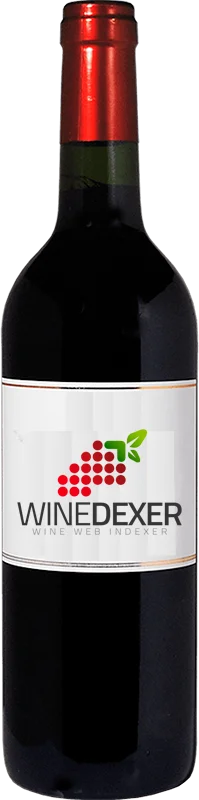
Winery AllegroForté
 Red wine


This wine generally goes well with
Wine flavors and olphactive analysis

On the nose the Forté of Winery Allegro in the region of Pennsylvania often reveals types of flavors of oak.
Details and technical informations about Winery Allegro's Forté.
Discover the grape variety: Franc de Haute-Saône
Franc noir de Haute-Saône noir is a grape variety that originated in France (Haute-Saône). It produces a variety of grape specially used for wine making. It is rare to find this grape to eat on our tables. This variety of grape is characterized by small bunches and small grapes. The Franc noir de Haute-Saône black can be found cultivated in these vineyards: South-West, Cognac, Bordeaux, Provence & Corsica, Rhone valley.
Last vintages of this wine
The best vintages of Forté from Winery Allegro are 0
Informations about the Winery Allegro
The Winery Allegro is one of of the world's greatest estates. It offers 47 wines for sale in the of Pennsylvania to come and discover on site or to buy online.

The wine region of Pennsylvania
Pennsylvania is a state in the northeastern United States. It covers 119,000 km² (46,000 square miles) between Lake Erie and the Atlantic coast. Pennsylvania wines are produced from a variety of native Grape varieties such as Delaware, French-American hybrids such as Chambourcin and Seyval Blanc, and well-known vinifera varieties including Cabernet Sauvignon, Cabernet Franc and Merlot. With about 14,000 acres (5665ha) of vineyards, Pennsylvania is one of the most prolific wine-growing states in the country, along with New York, Washington and Oregon (none of these states match California's production, which accounts for about 90 percent of U.
The word of the wine: Over-ripeness
Characteristic of grapes harvested late, rich in sugar, which give wines often mellow and marked by candied aromas.