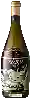
Winery Alessandro di CamporealeCroceferro Etna Rosso
 wine
wine
This wine generally goes well with
The Croceferro Etna Rosso of the Winery Alessandro di Camporeale is in the top 0 of wines of Sicilia.
Details and technical informations about Winery Alessandro di Camporeale's Croceferro Etna Rosso.
Discover the grape variety: Abondant
Abondant blanc is a grape variety that originated in France. It produces a variety of grape specially used for wine making. It is rare to find this grape to eat on our tables. This variety of grape is characterized by large bunches and large grapes. The Abondant blanc can be found cultivated in these vineyards: South-West, Cognac, Bordeaux, Provence & Corsica, Rhone Valley.
Last vintages of this wine


The best vintages of Croceferro Etna Rosso from Winery Alessandro di Camporeale are 2018, 2020, 0, 2019
Informations about the Winery Alessandro di Camporeale
The Winery Alessandro di Camporeale is one of of the world's greatest estates. It offers 13 wines for sale in the of Sicilia to come and discover on site or to buy online.

The wine region of Sicilia
The wine region of Sicilia is located in the region of Sicile of Italy. We currently count 825 estates and châteaux in the of Sicilia, producing 1804 different wines in conventional, organic and biodynamic agriculture. The wines of Sicilia go well with generally quite well with dishes .
The wine region of Sicily
Sicily is the Southernmost region of Italy, and the largest island in the Mediterranean Sea. For over 2500 years, Sicily (Sicilia in Italian) has been an important centre of Mediterranean viticulture, although the reputation and style of its wines have changed considerably over time. The island was once best known for its Sweet muscatels (see Pantelleria), and later for its fortified Marsala. Today, many of its best-known wines are Dry table wines produced under the regional designation IGT Terre Siciliane, or Sicilia DOC (see below).
The word of the wine: Phylloxera
Aphid that came from America and ravaged European vineyards at the end of the 19th century. It lives on the roots of the vine, from which it pumps the sap. The only vines capable of resisting it had to be imported from the United States, and then grafted onto their root system the wood of traditional French grape varieties. Today, grafted vines are always planted.