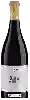
Winery AlegriaOld Vines Cariñena
 Red wine


In the mouth this red wine is a powerful with a nice freshness.
This wine generally goes well with poultry, beef or veal.
Taste structure of the Old Vines Cariñena from the Winery Alegria
Light | Bold | |
Smooth | Tannic | |
Dry | Sweet | |
Soft | Acidic |
In the mouth the Old Vines Cariñena of Winery Alegria in the region of Aragon is a powerful with a nice freshness.
Wine flavors and olphactive analysis




On the nose the Old Vines Cariñena of Winery Alegria in the region of Aragon often reveals types of flavors of earth, oak or spices and sometimes also flavors of red fruit, black fruit.
Food and wine pairings with Old Vines Cariñena
Pairings that work perfectly with Old Vines Cariñena



Original food and wine pairings with Old Vines Cariñena

The Old Vines Cariñena of Winery Alegria matches generally quite well with dishes of beef, pasta or veal such as recipes of sauté of lamb with curry, pasta with vegetables or duck breast with black figs.
Details and technical informations about Winery Alegria's Old Vines Cariñena.
Discover the grape variety: Putzcheere
It is believed to have originated in Hungary, in the region bordering Romania, from where it spread to Germany, Alsace and the southwest of France, particularly in the Gers and high Pyrenees departments. It is also found in the United States (California). Today, it is almost absent from French vineyards. - Synonyms: putchir, putscher, butschera (for all the synonyms of the grape varieties, click here!)
Last vintages of this wine
The best vintages of Old Vines Cariñena from Winery Alegria are 2012, 2010, 2013, 0 and 2011.
Informations about the Winery Alegria
The Winery Alegria is one of of the world's greatest estates. It offers 1 wines for sale in the of Aragon to come and discover on site or to buy online.

The wine region of Aragon
Aragon is one of Spain's 17 autonomous communities. Located in the North of the country, it stretches from the imposing Pyrenees mountains in the South to the vast Central Iberian plateau. To the east of Aragon Lies Catalonia, while La Rioja, Castilla y Leon and Navarra are its neighbours to the west. Aragon encompasses the eastward flowing Ebro River and its vast valley, the river being one of the largest and most important in Spain.
The word of the wine: Botrytis cinerea
This fungus, also called noble rot, develops during the over-ripening phase and is an ally of great sweet white wines, when it concentrates the juice of the berries. It requires the humidity of morning fogs and beautiful sunny days, gives musts very rich in sugar and brings to the wines the famous taste of "roasted".