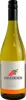
Winery AguiunchoSelección Albariño
 wine
wine
This wine generally goes well with
The Selección Albariño of the Winery Aguiuncho is in the top 0 of wines of Rías Baixas.
Details and technical informations about Winery Aguiuncho's Selección Albariño.
Discover the grape variety: Morescono
Most certainly Italian, genetic analysis has confirmed that it is the variety known as nieddu mannu. It can be found in Corsica and Italy (Sardinia). It is registered in the Official Catalogue of Vat Varieties list A1. However, it should not be confused with morescola, also grown in Corsica, which is none other than aubun and muristellu, one of the synonyms of morrastel.
Informations about the Winery Aguiuncho
The Winery Aguiuncho is one of of the world's greatest estates. It offers 4 wines for sale in the of Rías Baixas to come and discover on site or to buy online.

The wine region of Rías Baixas
The wine region of Rías Baixas is located in the region of Galice of Spain. Wineries and vineyards like the Domaine Raúl Pérez or the Domaine Pazo de Rubianes produce mainly wines white, sparkling and red. The most planted grape varieties in the region of Rías Baixas are Albarino, Loureiro and Caino blanco, they are then used in wines in blends or as a single variety. On the nose of Rías Baixas often reveals types of flavors of grapefruit, mint or chamomile and sometimes also flavors of apple blossom, green melon or beeswax.
The wine region of Galice
Galicia is one of the 17 first-level administrative regions (called comunidades autónomas) of Spain. It occupies the northwestern corner of the Iberian Peninsula, and is exposed on two sides to the Atlantic Ocean. To the South is Portugal, to the east Castilla y Leon. Viticulture has a Long tradition in Galicia, introduced to the region by the ancient Romans and continued by monks throughout the Middle Ages.
The word of the wine: Chaptalization
The addition of sugar at the time of fermentation of the must, an ancient practice, but theorized by Jean-Antoine Chaptal at the dawn of the 19th century. The sugar is transformed into alcohol and allows the natural degree of the wine to be raised in a weak or cold year, or - more questionably - when the winegrower has a harvest that is too large to obtain good maturity.