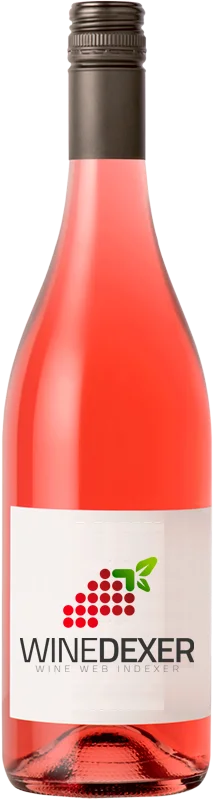
Winery AcontiaLa Vie en Rosé
 Pink wine



This wine generally goes well with pork, beef or lamb.
Food and wine pairings with La Vie en Rosé
Pairings that work perfectly with La Vie en Rosé



Original food and wine pairings with La Vie en Rosé

The La Vie en Rosé of Winery Acontia matches generally quite well with dishes of beef, lamb or pork such as recipes of kamounia : tunisian beef stew, lamb garam massala or tartiflette (from a real savoyard).
Details and technical informations about Winery Acontia's La Vie en Rosé.
Discover the grape variety: Picolit blanc
A very old grape variety, probably already known to the Romans, and most certainly of Italian origin, from Friuli to be precise. The Hungarian Keknyelu is said to be the same variety, but this remains to be confirmed. It is almost unknown in France and even in the wine world, perhaps because of its low production and its sensitivity to various diseases. It should be noted that it is not related to the black picolit.
Last vintages of this wine
The best vintages of La Vie en Rosé from Winery Acontia are 2014, 0, 2015
Informations about the Winery Acontia
The Winery Acontia is one of of the world's great estates. It offers 13 wines for sale in the of Toro to come and discover on site or to buy online.

The wine region of Toro
The wine region of Toro is located in the region of Castille-et-Léon of Spain. Wineries and vineyards like the Domaine Teso La Monja or the Domaine Teso La Monja produce mainly wines red, white and sweet. The most planted grape varieties in the region of Toro are Tempranillo, Verdejo and Pinot gris, they are then used in wines in blends or as a single variety. On the nose of Toro often reveals types of flavors of cherry, espresso or black olive and sometimes also flavors of menthol, bramble or cigar box.
The wine region of Castille-et-Léon
Located in the northern half of the Central Iberian plateau, Castilla y León is the largest of Spain's 17 administrative regions, covering about one-fifth of the country's total area. It extends about 350 kilometres (220 miles) from central Spain to the northern coast. Just as wide, it connects the Rioja wine region to the Portuguese border. Red wines reign supreme in Castilla y León, and the Tempranillo grape is undoubtedly the king.
The word of the wine: Effervescent
Any wine loaded with CO2 (carbon dioxide), which is revealed in the form of bubbles, reinforcing the freshness effect in the mouth. This gas production is the result of what is called the second fermentation in the bottle. It occurs in champagnes and sparkling wines such as crémants.