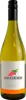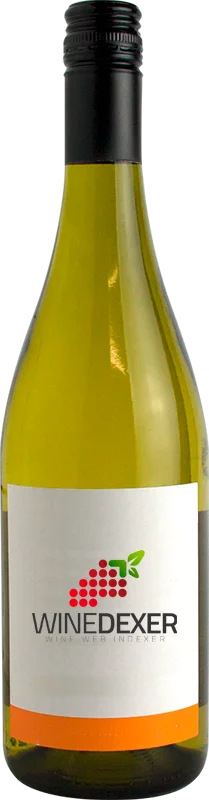
Winery Achille ThirionCuvée Alexandre Muscat d'Alsace
 White wine


This wine generally goes well with spicy food and sweet desserts.
Food and wine pairings with Cuvée Alexandre Muscat d'Alsace
Pairings that work perfectly with Cuvée Alexandre Muscat d'Alsace


Original food and wine pairings with Cuvée Alexandre Muscat d'Alsace
The Cuvée Alexandre Muscat d'Alsace of Winery Achille Thirion matches generally quite well with dishes of spicy food or sweet desserts such as recipes of royal couscous (lamb, chicken, merguez) or homemade cookies.
Details and technical informations about Winery Achille Thirion's Cuvée Alexandre Muscat d'Alsace.
Discover the grape variety: Marzemino
A very old variety grown in northern Italy and recently in Sardinia. It can also be found in Greece, New Zealand, etc. In France it is practically unknown. It is most certainly related to Teroldego and Refosco dal Pedunculo Rosso and is said to be the brother of Lagrein, all three Italian varieties. It is also related to completer.
Last vintages of this wine
The best vintages of Cuvée Alexandre Muscat d'Alsace from Winery Achille Thirion are 2016
Informations about the Winery Achille Thirion
The Winery Achille Thirion is one of of the world's greatest estates. It offers 29 wines for sale in the of Alsace to come and discover on site or to buy online.

The wine region of Alsace
Alsace, located in the extreme north-east of France, is Distinguished from other French wine regions by its strong Franco-Germanic influences. These influences are the result of a back-and-forth between the German and French sovereignties over the last few centuries. They can be seen not only in the architecture and culture of Alsace, but also in the wines. Alsace wines are produced under three main appellations: Alsace and Alsace Grand Cru for still white wines (Sweet and Dry), and Crémant d'Alsace for Sparkling wines.
The word of the wine: Distinguished
Said of a fine, elegant wine that is outstanding in its category.