Wines made from Carmenère grapes of Hungary
Discover the best wines made with Carmenère as a single variety or as a blend of Hungary.
Discover the best wines made with Carmenère as a single variety or as a blend of Hungary.
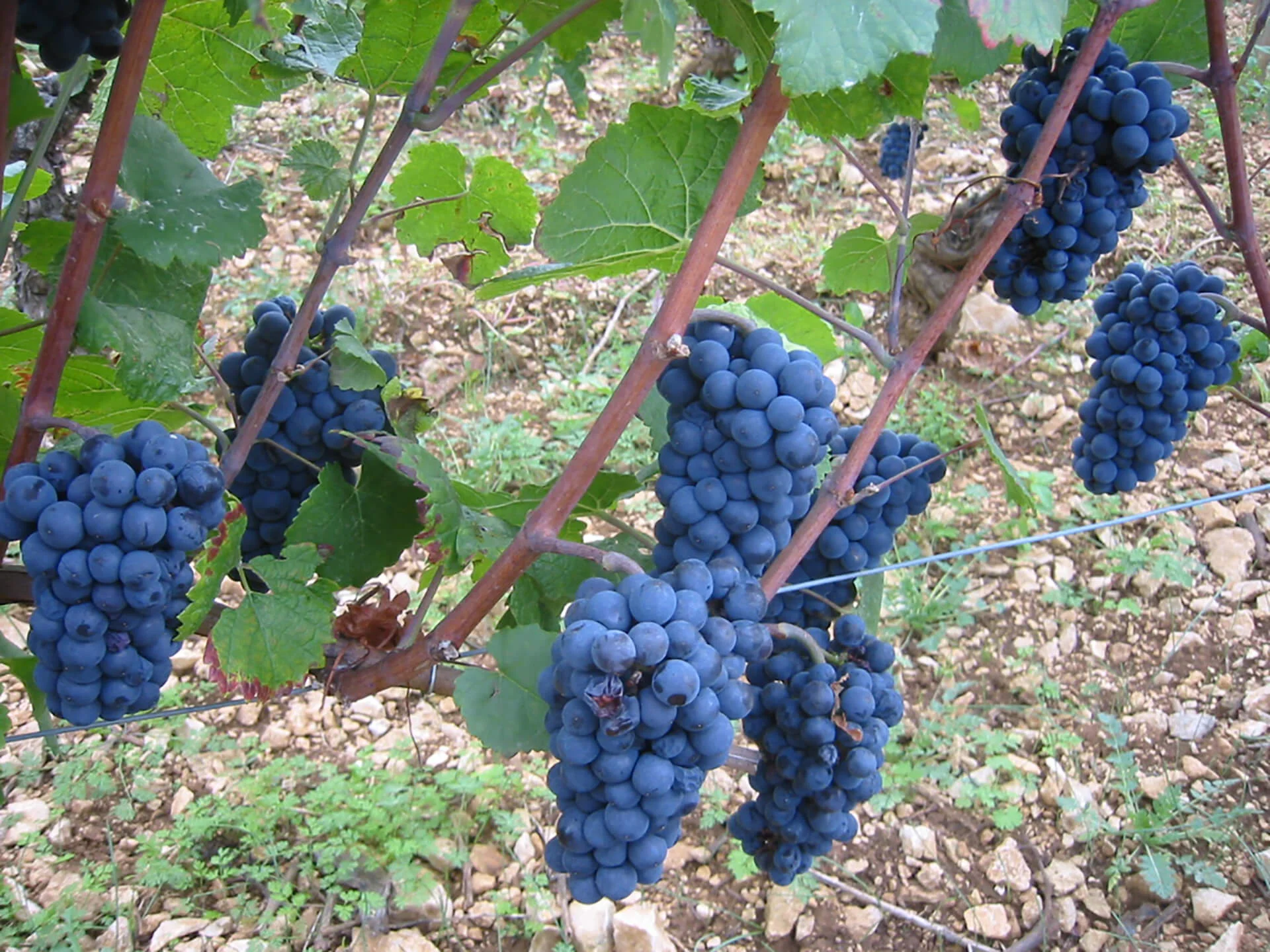
Velvety, deep reds with a dark robe and round tannins, showing aromas of blackberry, plum, ripe red pepper, dark chocolate, coffee and gentle spice. Warm, supple finish. Absolute star of Chile (Colchagua, Cachapoal, Maipo) where it was rediscovered in 1994, long confused with Merlot. A historic Bordeaux variety that nearly vanished after phylloxera, a cross of Cabernet Franc × Gros Cabernet.
Hungary, in Central Europe, has earned its reputation in the wine world with only a few styles of wine, but for centuries it has been a wine-producing nation of considerable diversity. In addition to the Sweet wines of Tokaj and the Bull's Blood of Eger, Hungary's wine range includes Dry whites from the shores of Lake Balaton, Somló and Neszmély, and finer reds from a variety of regions, including Villány, Sopron and Szekszard. Hungarian wine culture dates back to Roman times and has survived many political, religious and economic challenges, including Islamic rule in the 16th century (when Alcohol was banned) and the Phylloxera epidemic in the late 19th century. The modern Hungarian wine regions are spread throughout the country.