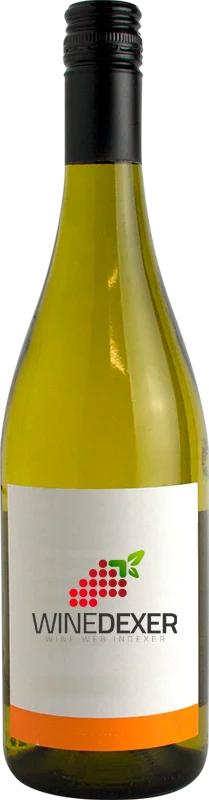
Winery ZuccoloPinot Grigio
 White wine
In the mouth this white wine is a .
This wine generally goes well with vegetarian, shellfish or mushrooms.

Taste structure of the Pinot Grigio from the Winery Zuccolo
Light | Bold | |
Dry | Sweet | |
Soft | Acidic |
In the mouth the Pinot Grigio of Winery Zuccolo in the region of Friuli-Venezia Giulia is a .
Food and wine pairings with Pinot Grigio
Pairings that work perfectly with Pinot Grigio


Original food and wine pairings with Pinot Grigio

The Pinot Grigio of Winery Zuccolo matches generally quite well with dishes of shellfish, vegetarian or mushrooms such as recipes of shrimp with garlic and orange, salmon and goat cheese quiche or roasted stuffed goose with mushroom sauce.
Details and technical informations about Winery Zuccolo's Pinot Grigio.
Discover the grape variety: Mtsvane Kakhuri
Structured, aromatic dry whites with a pale golden robe, a broad palate and preserved acidity, with signature aromas of citrus (lemon), white flowers, white-fleshed fruits (peach) and Caucasian mineral notes. Also made as tannic orange wines in qvevri (buried jars) with dried fruit and spice notes. Grown in Kakheti (eastern Georgia), it embodies Georgian viticultural identity and the qvevri heritage. Native Georgian white grape.
Informations about the Winery Zuccolo
The Winery Zuccolo is one of of the world's great estates. It offers 18 wines for sale in the of Friuli-Venezia Giulia to come and discover on site or to buy online.

The wine region of Friuli-Venezia Giulia
Italian benchmark of great whites of elegance and minerality. Emblematic Friulano with notes of fresh almond, pear and white flowers, taut Ribolla Gialla, precise Pinot Grigio, lively Sauvignon and balanced Chardonnay. Rare sweet Picolit (DOCG), saline Malvasia Istriana. Rising reds: fruity spicy Refosco, more tannic Pignolo and Schioppettino.
The word of the wine: Draft liquor (champagne)
After blending, the wine is bottled with a liqueur de tirage (a mixture of sugar and wine) and a yeast (selected yeasts). The yeast attacks the sugar and creates carbon dioxide. The fermentation, which lasts about two months, is prolonged by an ageing period (15 months minimum in total). The bottle is capped (some rare vintages are capped with a staple and a cork).