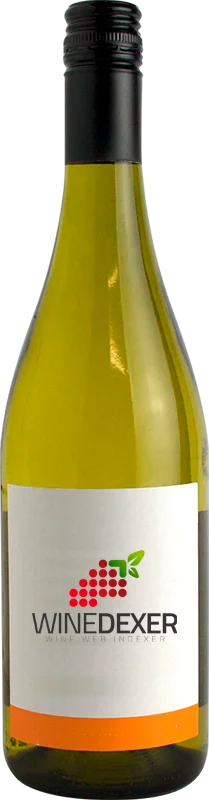
Winery ZanchiMajolo Bianco
 White wine


In the mouth this white wine is a powerful with a nice freshness.
This wine generally goes well with vegetarian, appetizers and snacks or lean fish.
Taste structure of the Majolo Bianco from the Winery Zanchi
Light | Bold | |
Dry | Sweet | |
Soft | Acidic |
In the mouth the Majolo Bianco of Winery Zanchi in the region of Umbria is a powerful with a nice freshness.
Wine flavors and olphactive analysis

Food and wine pairings with Majolo Bianco
Pairings that work perfectly with Majolo Bianco



Original food and wine pairings with Majolo Bianco


The Majolo Bianco of Winery Zanchi matches generally quite well with dishes of pasta, vegetarian or appetizers and snacks such as recipes of basque lasagne, goat cheese and bacon quiche or prunes with bacon.
Details and technical informations about Winery Zanchi's Majolo Bianco.
Discover the grape variety: Cornichon blanc
A very old variety that has been multiplied in many Mediterranean wine-producing countries, due to the fact that its grapes ripen quite late. It is only in Italy and Greece that it still occupies a significant area. In France, it is only found among amateur gardeners and/or collectors. By its foliage in particular, the white gherkin is different from the purple gherkin this last one is given as very little sensitive to the grey rot.
Last vintages of this wine
The best vintages of Majolo Bianco from Winery Zanchi are 2010, 2015, 2008, 0
Informations about the Winery Zanchi
The Winery Zanchi is one of of the world's greatest estates. It offers 15 wines for sale in the of Umbria to come and discover on site or to buy online.

The wine region of Umbria
Umbria, in CentralItaly, is a region of lush hills, hilltop villages and iconic historic towns. The latter are exemplified by Orvieto and Assisi. At the very heart of the Italian peninsula, it is surrounded by Tuscany, Marche and Lazio. It is in fact the only Italian region without a coastline or international border.
The word of the wine: Alcohol content
The alcohol content of wine expressed as a percentage of the volume of alcohol contained in the wine.