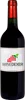
Winery GrimontCabernet Sauvignon
 Red wine


In the mouth this red wine is a powerful with a nice balance between acidity and tannins.
This wine generally goes well with poultry, beef or lamb.

Taste structure of the Cabernet Sauvignon from the Winery Grimont
Light | Bold | |
Smooth | Tannic | |
Dry | Sweet | |
Soft | Acidic |
In the mouth the Cabernet Sauvignon of Winery Grimont in the region of Western Cape is a powerful with a nice balance between acidity and tannins.
Food and wine pairings with Cabernet Sauvignon
Pairings that work perfectly with Cabernet Sauvignon



Original food and wine pairings with Cabernet Sauvignon
The Cabernet Sauvignon of Winery Grimont matches generally quite well with dishes of beef, lamb or poultry such as recipes of flemish beer stew, lamb with masalé sauce and rice or north welsch.
Details and technical informations about Winery Grimont's Cabernet Sauvignon.
Discover the grape variety: Cabernet-Sauvignon
Structured, tannic reds, deeply coloured, with aromas of blackcurrant, blackberry, cedar, tobacco and graphite, underpinned by firm acidity and fine ageing potential. Cornerstone of the great Médoc estates (Pauillac, Saint-Estèphe, Saint-Julien) and signature of Napa Valley, Coonawarra and Maipo. The world's most planted red variety, a natural cross of Cabernet Franc x Sauvignon Blanc born in Bordeaux.
Last vintages of this wine
The best vintages of Cabernet Sauvignon from Winery Grimont are 0
Informations about the Winery Grimont
The Winery Grimont is one of of the world's great estates. It offers 36 wines for sale in the of Western Cape to come and discover on site or to buy online.

The wine region of Western Cape
Cradle of South African wine. Signature Chenin Blanc (Steen, 20%) in ample, fresh whites with notes of quince, yellow apple, honey and acacia flower, from crisp dry to sweet. Sharp, iodised Sauvignon Blanc (Walker Bay, Constantia), balanced Chardonnay. Reds: emblematic Pinotage with roasted aromas (coffee, plum, smoke), firm Cabernet Sauvignon, spicy Syrah.
The word of the wine: Maturing (champagne)
After riddling, the bottles are stored on "point", upside down, with the neck of one bottle in the bottom of the other. The duration of this maturation is very important: in contact with the dead yeasts, the wine takes on subtle aromas and gains in roundness and fatness. A brut without year must remain at least 15 months in the cellar after bottling, a vintage 36 months.