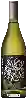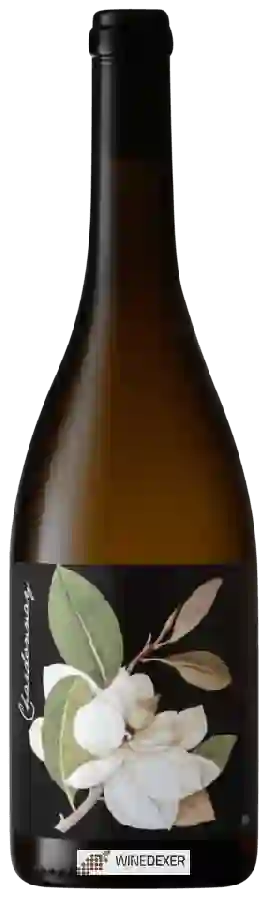
Winery BotanicaChardonnay
 wine
wine
This wine generally goes well with
The Chardonnay of the Winery Botanica is in the top 0 of wines of Stellenbosch.

Details and technical informations about Winery Botanica's Chardonnay.
Discover the grape variety: Aranel
Simple, fresh dry whites with a pale golden robe, a supple palate and preserved acidity. Understated aromas of citrus (lemon), white fruits (apple), white flowers and herbaceous notes. Thirst-quenching profile, best drunk young. Grown in Languedoc-Roussillon and the South-West for IGP wines, used in modern southern blends. Productive French white grape obtained in 1962 at Montpellier by Paul Truel, a cross of Saint-Pierre Doré × Grenache Blanc.
Informations about the Winery Botanica
The Winery Botanica is one of of the world's greatest estates. It offers 11 wines for sale in the of Stellenbosch to come and discover on site or to buy online.

The wine region of Stellenbosch
Showcase of the South African vineyard: signature Cabernet Sauvignon as king red — structured and age-worthy with notes of blackcurrant, blackberry, cedar, tobacco and a menthol touch, firm tannins. Emblematic national Pinotage (created 1925) opulent and smoky (blackberry, coffee, leather). Fleshy Shiraz, supple Merlot as complement. Vibrant Chenin Blanc, ample Chardonnay and lively Sauvignon in whites.
The wine region of Western Cape
Cradle of South African wine. Signature Chenin Blanc (Steen, 20%) in ample, fresh whites with notes of quince, yellow apple, honey and acacia flower, from crisp dry to sweet. Sharp, iodised Sauvignon Blanc (Walker Bay, Constantia), balanced Chardonnay. Reds: emblematic Pinotage with roasted aromas (coffee, plum, smoke), firm Cabernet Sauvignon, spicy Syrah.
The word of the wine: Malolactic fermentation
Called second fermentation or malo for short. It is the degradation (under the effect of bacteria) of the malic acid naturally present in the wine into milder, less aggressive lactic acid. Some producers or wineries refuse this operation by "blocking the malo" (by cold and adding SO2) to keep a maximum of acidity which carries the aromas and accentuates the sensation of freshness.